
Our Latest News

Premature Aging: Causes and Solutions
Premature aging is a condition in which the skin shows signs of age earlier than expected. In general, the human body begins to lose collagen and skin elasticity around the age of 25. However, in people with premature aging, these signs appear sooner and are more severe than normal, making the skin look years older than its actual age. It is a skin concern that many people experience from a young age — whether it's wrinkles, sagging skin, or age spots that seem out of place. In this article, Top Med World will walk you through the causes, how to identify the symptoms, and effective solutions for premature aging.Causes and Behaviors That Lead to Premature Skin AgingUnderstanding the causes of premature aging is key, as each factor requires a different prevention strategy. The main causes include:1. Sun Exposure (UV Radiation)UVA and UVB rays are the number-one cause of premature skin aging, a condition known as photoaging. UV radiation breaks down collagen and elastin in the skin, leading to wrinkles, dark spots, and sagging skin before their time. Summer months are particularly damaging, as sunlight is significantly more intense.2. SmokingThe toxins in cigarette smoke damage the capillaries that nourish the skin, reduce oxygen delivery, and accelerate collagen breakdown. Researchers have found that smokers are up to 40% more likely to develop premature wrinkles than non-smokers.3. Chronic StressChronic stress triggers the release of the stress hormone cortisol, which breaks down collagen, causing skin to lose elasticity, look tired, and develop more wrinkles over time.4. Insufficient SleepDuring sleep, the body undergoes cell repair and skin regeneration. Sleeping fewer than 7 hours a night disrupts this process, causing skin to recover more slowly and accumulate damage at a faster rate.5. Poor DietFoods high in sugar and refined carbohydrates trigger a process called glycation, in which sugar molecules bind to collagen and cause the skin to become stiff and lose elasticity. Insufficient water intake and nutritional deficiencies are also contributing factors to premature aging.6. Air PollutionPM2.5 particles and airborne toxins can penetrate the outer layers of the skin, generating oxidative stress that damages skin cells, accelerates the formation of dark spots and wrinkles — particularly in people living in urban areas.7. GeneticsWhile genetics is the factor least within our control, it plays a significant role in determining the speed of the aging process. If family members have experienced premature aging, there is a higher likelihood you will face the same issue.Symptoms of Premature Aging: What to Look ForPremature aging presents itself in several commonly observed ways, including:Fine and deep wrinkles, particularly around the eyes (crow's feet), forehead, and mouthSagging skin around the cheeks, double chin, and neckDark spots and hyperpigmentation appearing faster than normalDull skin lacking radiance and luminosityEnlarged pores that are clearly visibleDry, dehydrated skin even when drinking adequate waterEffective Solutions for Premature AgingThere are many ways to address premature aging — ranging from lifestyle changes you can make on your own, to advanced aesthetic medicine and surgical facial rejuvenation procedures.Lifestyle Changes You Can Make YourselfProtect your skin from the sun: Apply sunscreen with SPF 30 PA+++ or higher every day, even on cloudy days. Avoid direct sun exposure between 10:00 AM and 4:00 PM.Eat a nutritious diet: Focus on fruits and vegetables rich in antioxidants, and reduce your intake of sugary and processed foods.Stay adequately hydrated: Drinking enough water helps keep skin moisturized and healthy.Get enough sleep: Aim for 7–8 hours of sleep per night to allow your body to repair skin cells.Manage stress: Set aside time for relaxing activities such as yoga, meditation, or listening to music.Quit smoking and reduce alcohol consumption: For better long-term skin health.Choose the right skincare products: Look for ingredients that target wrinkles and firmness, such as retinol, vitamin C, peptides, and hyaluronic acid.Medical Aesthetic InnovationsFor those seeking more noticeable and faster results, medical aesthetic innovations can effectively address premature aging:Dermal Fillers: Restore volume to deep wrinkles and hollows, such as nasolabial folds and under-eye areas, while also reshaping the face for a more youthful appearance.Botox Injections: Reduce the appearance of expression lines, including forehead lines, frown lines, and crow's feet.Laser and Skin-Tightening Treatments: Technologies such as HIFU, Ulthera, and Thermage stimulate collagen production and lift sagging skin.Thread Lifting: Lifts sagging skin and promotes collagen synthesis for a more defined facial contour.Surgical Facial Rejuvenation: Face Lift and Mini Face LiftFace LiftA Face Lift (Rhytidectomy) is a surgical procedure designed to correct sagging skin and muscle tissue in the face and neck, deep wrinkles, and volume loss. The technique involves lifting the underlying facial structures (such as the SMAS layer) and removing excess skin, resulting in a more youthful appearance with a sharper facial contour. Results look natural and can last 7–10 years.Best suited for: Individuals with significant skin laxity, deep wrinkles, and those seeking dramatic, long-lasting results.Mini Face LiftA Mini Face Lift is a less invasive facelift procedure that targets the lower cheeks and jawline. It involves smaller incisions and a shorter recovery time compared to a full facelift. This technique is ideal for those beginning to show mild to moderate signs of sagging and who want natural-looking results without a lengthy downtime.Best suited for: Individuals aged 40 and above with mild to moderate sagging around the cheeks and jawline, who desire a naturally rejuvenated appearance with a faster recovery.Why Choose Top Med World for Premature Aging Treatment?Top Med World specializes in connecting patients with leading, JCI-accredited hospitals and clinics worldwide, particularly in Thailand — with expertise in premature aging treatment and a broad range of aesthetic procedures. Our network includes renowned plastic surgery hospitals and clinics such as ID Clinic, Wansiri Hospital, Masterpiece Hospital, Kamol Cosmetic Hospital, and Bangkok Hospital.Our Exclusive Services Include:Personalized Consultation: We assess your needs and goals to recommend the most suitable clinic and surgeon for you.Seamless Coordination: We handle travel arrangements, accommodation, local transportation, and visa assistance for a stress-free experience.Hospital Liaison: We manage all communications and logistics with your chosen clinic, ensuring a smooth and efficient process.Post-Operative Support: We provide guidance and assistance throughout your recovery period for the best possible outcome. Frequently Asked Questions (FAQ)1. At what age can premature aging start to appear? Signs of premature aging can begin to show as early as the late 20s to early 30s, depending on genetic factors and lifestyle habits — particularly sun exposure and pollution.2. Does sunscreen really help prevent premature aging? Absolutely. Sunscreen is the single most important tool for preventing premature aging, as it protects the skin from UV rays — the primary cause of collagen and elastin breakdown. Apply sunscreen with at least SPF 30 PA+++ every day.3. What is the difference between a Face Lift and a Mini Face Lift? A Face Lift is a full surgical procedure that addresses sagging across the entire face and neck, offering more dramatic and long-lasting results. A Mini Face Lift is a less invasive procedure focusing on the lower cheeks and jawline, suited for patients with mild sagging and a preference for shorter recovery times.4. How long is the recovery period after a facelift? A full Face Lift typically requires 2–4 weeks of recovery, while a Mini Face Lift generally takes 1–2 weeks, depending on individual health and post-operative care.5. How long do facelift results last? The results of both Face Lift and Mini Face Lift procedures generally last approximately 7–10 years. However, longevity depends on post-operative care, sun protection, and overall lifestyle habits.
 Date 20/05/2026
10 Ways to Fix a Sagging Belly and Stretch Marks
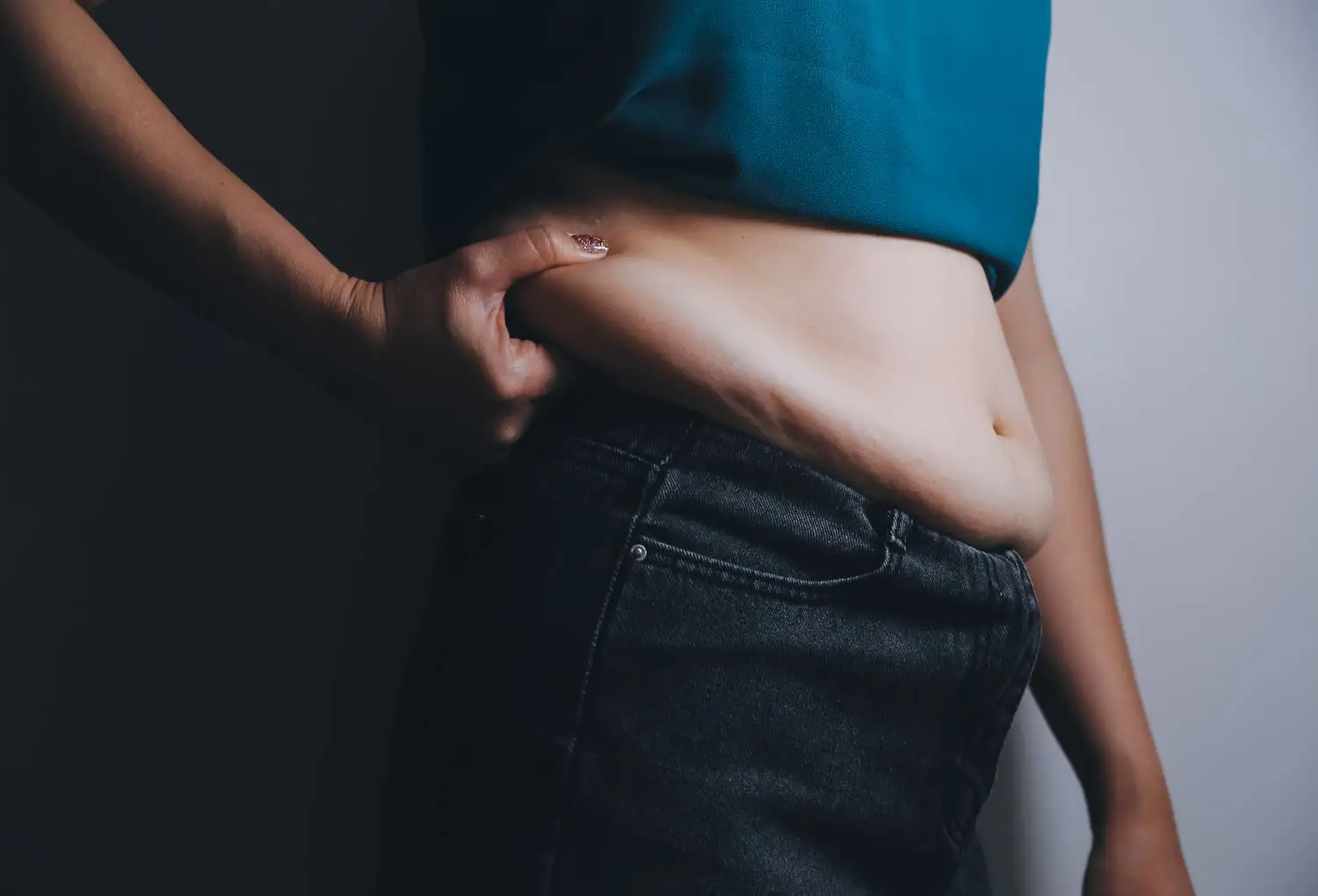
One of the most common concerns, especially among women, is the problem of a sagging belly or stretch marks that become noticeably visible after pregnancy or rapid weight loss — affecting both men and women alike. The skin in that area loses its elasticity, developing wrinkles and looseness. This issue doesn't just affect confidence; it's also a sign that our bodies are aging prematurely. In this article, Top Med World will walk you through 10 ways to fix a sagging belly, so you can reclaim a beautiful figure and feel confident again.A Sagging Belly — A Sign of "Premature Aging"Just as the skin on our face can show signs of aging, so can the skin on our belly. When the skin loses collagen and elastin — the key proteins that keep skin firm and elastic — it becomes much more susceptible to sagging and stretch marks. Factors such as pregnancy or the postpartum period, loose skin after weight loss, aging, rapid changes in body weight, and genetics all contribute to skin deterioration. Caring for the skin across your entire body is therefore just as important as skincare for your face — to slow down the signs of premature aging that may appear on your body.10 Ways to Fix a Sagging Belly and Stretch MarksA sagging belly or stretch marks are concerns for many people, particularly postpartum women. But don't worry — here are 10 proven methods to address both issues, ranging from lifestyle adjustments to the latest aesthetic innovations.1. Muscle-Building ExerciseStrength training — especially exercises that target the abdominal muscles, such as planks, crunches, and leg raises — helps build muscle, fills the space beneath loose skin, and makes the belly look firmer and less saggy. In addition, cardio exercises such as running, jogging, and swimming help reduce excess fat and stimulate blood circulation, which benefits overall skin health as well.2. Eating a Nutritious DietConsuming foods high in protein — such as lean meats, fish, eggs, and legumes — is essential for building and repairing collagen and elastin in the skin. Foods rich in vitamin C, found in citrus fruits, leafy greens, and berries, are also key nutrients that support collagen synthesis, making the skin stronger and more elastic.3. Staying Adequately HydratedOne of the simplest steps is drinking enough water. Water is a vital component of the body — drinking at least 8 glasses of water per day helps keep the skin hydrated, elastic, and healthy-looking. Dehydration can cause the skin to become dry and prone to sagging.4. Using Targeted Skincare ProductsCreams containing ingredients such as retinol, collagen, elastin, or hyaluronic acid can help boost moisture, stimulate collagen production, and improve skin elasticity in the belly area. Consistent, regular application is key to achieving the best results.5. Skin-Firming MassageRegularly massaging the belly area with oils or body lotions can help stimulate blood circulation, improve skin elasticity, and reduce the appearance of cellulite. When done with the correct technique, massage can leave the skin looking smoother and firmer.6. Laser Skin TighteningCertain laser technologies — such as Fractional CO₂ Laser or Picosecond Laser — can stimulate collagen and elastin production in the skin, reduce the appearance of stretch marks, and make the belly skin look firmer and smoother. Laser treatments should always be performed under the supervision of a qualified physician.7. RF (Radiofrequency) or HIFU (High-Intensity Focused Ultrasound)RF and HIFU are non-surgical technologies that use thermal energy to stimulate collagen and elastin production in the skin. They help tighten loose belly skin, reduce sagging, and improve overall skin texture. These methods are popular because they require minimal downtime.8. Collagen-Stimulating Injections (Biostimulators)Biostimulators such as Sculptra or Radiesse can be injected into the skin to trigger the body's natural collagen production. This increases skin density and elasticity, helping a sagging belly look firmer and reducing stretch marks over time. This option is ideal for those who prefer gradual, natural-looking results.9. Mini Tummy TuckFor those with moderate sagging — particularly below the navel, with a small amount of excess fat — a Mini Tummy Tuck is a suitable option. This procedure uses a smaller incision than a full tummy tuck and focuses on removing excess skin and fat from the lower abdomen only, without correcting the abdominal muscles or repositioning the navel. Recovery time is shorter and scarring is less extensive.10. Tummy Tuck (Full Abdominoplasty)For those with severe sagging, significant excess skin and fat, or weakened and separated abdominal muscles (diastasis recti), a full Tummy Tuck is the most effective solution. This procedure removes excess skin and fat from below the chest down to the pubic area, tightens the abdominal muscles, and repositions the navel for a natural appearance. A Tummy Tuck delivers a flat, firm, and beautifully contoured abdomen — with permanent results.Top Med World offers both Tummy Tuck and Mini Tummy Tuck procedures performed by specialist surgeons at our network of renowned partner hospitals, ensuring the very best outcomes.Fix Your Sagging Belly with Top Med WorldThailand is a leading hub for aesthetic medicine, with highly trained and experienced surgeons, state-of-the-art medical technology, and deep expertise in addressing belly sagging — offering outstanding value in both pricing and internationally accredited quality of care.At Top Med World, we are committed to selecting only top-tier, accredited clinics and hospitals to ensure your safety and the highest level of satisfaction. Our trusted partners include:ID ClinicWansiri HospitalMasterpiece HospitalKamol Cosmetic HospitalBangkok HospitalIf you're looking for an opportunity to transform and look your best, contact Top Med World today to receive expert consultation and conveniently book your appointment.Frequently Asked Questions (FAQ)1. Is a Tummy Tuck painful? A Tummy Tuck is a major surgery performed under local or general anesthesia, so there is no pain during the procedure. After surgery, some discomfort and soreness are expected; your surgeon will prescribe pain medication to manage this, and you will receive close care throughout the recovery period.2. How long is the recovery after a Tummy Tuck? Recovery time varies between individuals. Generally, patients need approximately 2–4 weeks before returning to normal daily activities, and it may take several months to see the final results. Strictly following your doctor's post-operative instructions is essential for a smooth recovery.3. Will the scars from a Tummy Tuck be visible? Tummy Tuck scars are typically located along the bikini line, where they can be concealed beneath underwear or a swimsuit. While scars fade over time, they remain permanent. Your surgeon will aim to make incisions as small as possible and position them where they are least visible.4. Who should consider a Tummy Tuck? A Tummy Tuck is best suited for those with severe abdominal sagging, significant excess skin and fat that cannot be resolved through exercise or diet — such as people who have lost a large amount of weight, postpartum women with diastasis recti, or anyone wishing to achieve a firmer, smoother body contour.5. Will the belly sag again after a Tummy Tuck? The results of a Tummy Tuck are typically permanent, provided the patient maintains a stable weight and a healthy lifestyle. However, future pregnancies or significant weight fluctuations may affect the results. Consulting your doctor to plan appropriate post-surgery care is therefore strongly recommended.
 Date 23/04/2026
What is Big Eyes Surgery?
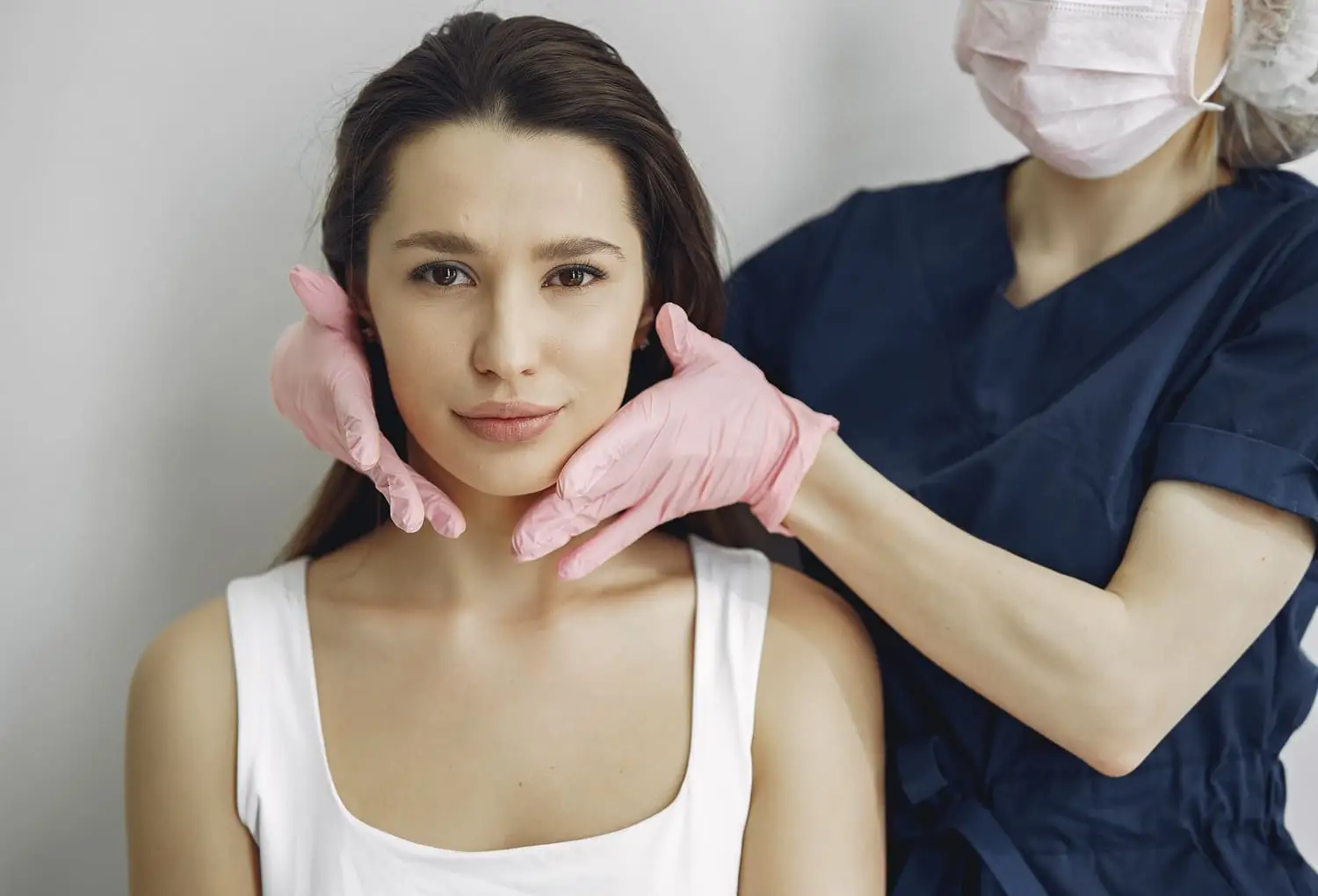
Eyes are often considered the most captivating feature on a face. Having large, bright eyes can significantly boost self-confidence and contribute to a more youthful and charming appearance. However, many individuals face concerns regarding their eye shape, such as small eyes, sleepy eyes, or eyes that constantly look tired. For those seeking to enhance their confidence, what are the most effective solutions? Big eyes surgery, or oculoplastic surgery to achieve larger eyes, is a popular medical solution gaining traction today.Top Med World will guide you through understanding what big eyes surgery entails, its procedural steps, who is an ideal candidate, potential side effects or risks to be aware of, post-operative care instructions, and the duration of the recovery period.What is Big Eyes Surgery?Big eyes surgery is a surgical procedure designed to reshape the eyes, making them appear larger, rounder, brighter, more dimensional, and proportionally balanced with the face. This procedure goes beyond typical double eyelid surgery by integrating multiple techniques to expand the eye area in various directions. The goal is to naturally transform small, narrow, or sleepy eyes into a more vibrant and alert appearance. Typically, four main techniques are employed:Key TechniqueSurgical DetailsResulting OutcomeEpicanthoplastySurgical removal of excess tissue covering the inner corner of the eye.Eyes appear longer, inner corners are more open, and the nasal bridge may appear slightly more defined.Lateral CanthoplastySurgical extension of the outer corner of the eye or adjustment of the outer canthal angle.Eyes appear elongated, well-proportioned, and reduces the appearance of short or narrow eyes.Ptosis CorrectionSuturing to strengthen the levator muscle, which lifts the eyelid.Corrects droopy eyelids (ptosis), allowing for full eye opening, clearer visibility of the iris, and larger, rounder eyes.Lower Eyelid SurgeryReshaping the lower eyelid to create a more rounded contour or a fuller area along the lower eyelid (Dolly Eyes).Eyes appear more doll-like, brighter, more dimensional, and naturally more youthful. How is Big Eyes Surgery Performed?Big eyes surgery requires an initial assessment to identify specific eye concerns and demands the expertise and precision of a skilled surgeon. Generally, the procedure involves the following steps:Consultation and Eye Structure Assessment: The surgeon will evaluate existing eye issues such as fat volume, skin laxity, and the severity of levator muscle weakness to design eyes that complement the patient's facial structure.Anesthesia Administration: Typically, local anesthesia combined with mild sedation is used to ensure the patient remains relaxed and pain-free during the surgery.Eyelid Muscle Adjustment Surgery: The surgeon will make an incision (which may be short or long, depending on the assessment) and then tighten the levator muscle to lift the eyelid, making the iris more visible and the eyes appear more open.Adjunctive Procedures (if necessary): If the patient has epicanthal folds covering the inner corners of the eyes or short outer canthi, the surgeon may perform epicanthoplasty or lateral canthoplasty concurrently.Wound Closure: The surgeon will create a new eyelid crease and close the incision with fine sutures to minimize scarring.Who is Big Eyes Surgery Suitable For?Big eyes surgery is not only for individuals with naturally small eyes but also addresses specific eye concerns, including:Individuals with monolids or very small eyes: Those who desire more prominent and dimensional eyes.Individuals with thick epicanthal folds: Which can make the eyes appear shorter and closer together.Individuals with ptosis (droopy eyelids): Experiencing sleepy-looking eyes, constant tiredness, or inability to fully open their eyes.Individuals with upward-slanting or overly short outer canthi: Who wish to achieve a softer, more friendly appearance.Individuals dissatisfied with previous double eyelid surgery: Who want their eyes to appear wider and their irises more visible.The Difference Between Standard Double Eyelid Surgery and Big Eyes SurgeryIt's important to understand the distinctions between standard double eyelid surgery and big eyes surgery:FeatureDouble Eyelid SurgeryBig Eyes SurgeryPrimary PurposeTo create a clearer eyelid crease.To adjust the degree of eye opening, making the iris more visible and the eyes appear wider.Main TechniqueIncision to remove excess skin and fat, then suturing to create the crease.Adjusting the tension of the levator muscle, often combined with double eyelid surgery.Resulting OutcomeBeautiful eyelid creases (but eyes may not appear wider if ptosis is present).Large, bright eyes with clearly visible irises, eliminating the need to raise eyebrows to open eyes fully.Are There Side Effects or Risks with Big Eyes Surgery?As with all surgical procedures, big eyes surgery carries potential risks and side effects that patients should understand before making a decision:Swelling and Bruising: This is normal after surgery and will gradually subside within 1-2 weeks.Dry Eyes: Due to the wider eye opening, tears may evaporate more easily in the initial period.Asymmetry: The two eyes may have slight differences in size or angle while swelling persists.Scarring: Especially in the inner corner of the eye (epicanthus), where redness or hypertrophic scars are more likely if not properly cared for.Other Complications: Such as infection or chemosis (swelling of the conjunctiva), which are rare when performed by an experienced surgeon.Post-Operative Care After Big Eyes SurgeryStrict adherence to post-operative care instructions is crucial for faster healing and optimal results. During the first 3 days, consistent cold compresses should be applied to reduce swelling and bleeding. From day 4 onwards, switch to warm compresses to help dissipate bruising and stimulate blood circulation. Additionally, sleeping with an elevated head for the first 1-2 weeks can help reduce swelling more quickly.Recovery Time After Big Eyes SurgeryRecovery time after big eyes surgery can vary among individuals, especially in complex cases or those involving multiple techniques. Generally, the recovery period is divided as follows:1-3 Days: The period with the most significant swelling and bruising. Adequate rest is essential.7-10 Days: Swelling will noticeably decrease, and sutures are typically removed during this time.2-4 Weeks: Incisions will be mostly healed, light makeup can be applied, and normal daily activities can be resumed.3-6 Months: The eyelid creases and eye shape will settle into their final, most natural and beautiful appearance.Undergoing Big Eyes Surgery with Top Med World in ThailandThailand is recognized as a global hub for cosmetic surgery, particularly for eye surgery, offering advanced techniques and highly skilled surgeons. Choosing to undergo big eyes surgery in Thailand provides excellent value in terms of both cost and quality of treatment, adhering to international standards.At Top Med World, we are committed to selecting only reputable and certified leading clinics and hospitals to ensure your safety and satisfaction with the results. Our partners include top medical facilities such as:ID ClinicWansiri HospitalMasterpiece HospitalKamol Cosmetic HospitalBangkok HospitalIf you are looking to enhance your appearance, please contact Top Med World to inquire about special packages and promotions, receive expert consultation, and conveniently schedule appointments with surgeons.FAQ: Frequently Asked Questions About Big Eyes Surgery1.Will Big Eyes Surgery make my eyes look unnatural or fake?If performed by an experienced surgeon with an appropriate design tailored to your facial structure, the results will appear very natural. Your eyes will look brighter without appearing overly "shellfish eyes" or too stiff.2.Is Big Eyes Surgery painful?During the surgery, local anesthesia or sedation will be administered, so patients will not feel pain. However, there might be a sensation of tightness or mild pain after the anesthesia wears off, which can be managed with prescribed pain medication.3.How long do the results of big eyes surgery last?Generally, the results of big eyes surgery are permanent. However, the shape of the eyes may change slightly with age and natural skin laxity.4.How many days after surgery can I wear makeup?You should refrain from applying makeup around the eyes until the sutures are removed and the wound is completely dry, which typically takes about 10-14 days. This is to prevent infection and irritation to the surgical wound.
 Date 23/04/2026
8 Ways to Reduce Prominent Cheekbones to Achieve a Balanced Face
Prominent or large cheekbones are a concern for many people as they can make the face appear wide, angular, or disproportionate to their desired facial shape, especially for those who desire a slender oval or V-shaped face. This issue can stem from various causes, including genetics, bone structure, or even fat accumulation. In this article, Top Med World will guide you through 8 methods to reduce prominent cheekbones that genuinely help solve the problem, ranging from non-surgical approaches to permanent surgical cheekbone reduction.Causes of Prominent or Large CheekbonesBefore delving into methods for cheekbone reduction, let's first understand the causes of prominent or large cheekbones. The various causes include:Genetics and Bone Structure: Facial bone structure is a crucial factor determined at birth. If genetics lead to wide, high, or protruding cheekbones, they will appear more prominent than usual.Fat Accumulation in the Cheeks: Excessive fat accumulation in the cheek area can make the cheekbones appear larger and the face round, not achieving the desired shape.Jaw and Cheekbone Muscles: Overuse of the jaw and cheekbone muscles, such as regularly chewing tough or hard food, can strengthen and enlarge these muscles, making the cheekbones appear more prominent.Age-Related Changes: As we age, the skin begins to sag, and fat in the temples or cheeks may atrophy, leading to sunken temples or hollow cheeks. This further emphasizes the cheekbones, making them appear higher and more defined.8 Methods to Reduce Prominent CheekbonesThere are several methods for cheekbone reduction, depending on the cause, the desired speed of results, and the size of the cheekbones. These methods range from non-surgical to surgical procedures. The 8 methods are as follows:1. Adjust Makeup, Hairstyle, or CosmeticsThe easiest and most cost-effective method is to adjust makeup techniques and hairstyles, which can significantly reduce the prominence of cheekbones.Use dark contour shades under the cheekbones to create shadows, making the cheeks appear more sculpted.Avoid highlighting the cheekbone area directly.Choose hairstyles that draw attention away, such as long hair or letting hair fall down to cover the cheeks.Avoid very short hairstyles or updos that expose the cheeks and make cheekbones appear more prominent.•Suitable for those who desire temporary results and do not wish to undergo any treatment.2. Exercise and Weight ManagementFor those whose cheekbones appear large due to fat accumulation, overall weight loss can help reduce the size of the cheeks and cheekbones, as facial fat often decreases with body weight.Engage in regular cardio exercises such as running, swimming, or cycling.Reduce consumption of high-sodium foods to minimize facial bloating.Drink enough water to help flush out toxins and reduce swelling.However, this method cannot address problems caused by bone structure.3. Botox InjectionsIf prominent cheekbones are caused by overly strong cheek muscles, Botox injections are an effective non-surgical option. Botox helps reduce muscle activity, gradually shrinking the muscles over time.Results typically appear approximately 4–6 weeks after injection.Results last about 4–6 months, requiring repeat injections to maintain the effect.Suitable for individuals with thick cheekbone muscles or those who grind their teeth.Not suitable for those with large cheekbones due to bone structure.4. Filler InjectionsIn cases where cheekbones appear prominent due to "sunken temples" or "hollow cheeks," filler injections to fill in the recessed areas can help smooth the facial line, subtly reducing the appearance of prominent cheekbones and making the face look younger instantly.5. Fat GraftingFat grafting operates on a similar principle to filler injections but uses the patient's own fat cells (e.g., from the thighs or abdomen), which are then extracted and reinjected into the temple or hollow cheek areas. This method yields natural-looking, softer results that last longer than fillers.6. Thread LiftIf prominent cheekbones are accentuated by sagging skin, a thread lift can help pull up the drooping tissues and fat to their proper positions. This procedure tightens the face and reduces the prominence of the cheekbones.7. Mid-Face LiftFor individuals with large cheekbones or sagging cheeks due to aging, a Mid-Face Lift is an effective solution, especially when the cause is the downward displacement of the malar fat pad with age, leading to prominent cheekbones and an unbalanced facial appearance.What is a Mid-Face Lift? A Mid-Face Lift is a surgical procedure that lifts and tightens the skin and tissues in the mid-face region, from the lower eyelid margin to the upper lip, particularly around the cheeks and cheekbones. The surgery repositions the sagging malar fat pad to its original place, resulting in a fresher and more youthful appearance.8. Cheekbone Reduction SurgeryThe most permanent and direct solution for cheekbones that are large due to bone structure is cheekbone reduction surgery, also known as Zygoma Reduction or Malarplasty. This surgery directly reduces the size and prominence of the cheekbones, making the face appear more slender, balanced, and contoured as desired.What is Cheekbone Reduction Surgery and What are the Methods?Cheekbone reduction surgery, or Zygoma Reduction / Malarplasty, is a cosmetic procedure to reduce the size or reposition the cheekbones inward, making the face appear more slender, softer, and more balanced. The main surgical methods include:Bone Shaving: This method is suitable for individuals with slightly high cheekbones who desire a minor reduction. The surgeon makes a small incision inside the mouth and uses specialized instruments to shave or file down the protruding part of the cheekbone, resulting in a smoother appearance.Bone Cutting & Impaction: This method provides more significant results and is suitable for individuals with very large, wide, or protruding cheekbones. The surgeon removes a portion of the cheekbone and repositions the remaining bone inward. The bone is then secured with small titanium screws to hold it in the new position. This method can effectively and permanently reduce the size of the cheekbones.Who is Suitable for Cheekbone Reduction Surgery?Cheekbone reduction surgery is a suitable option for individuals with the following characteristics:Those with excessively high, wide, or protruding cheekbones that make the face appear harsh or unbalanced.Those who desire a permanently more slender, softer, and delicately contoured facial structure.Those who have tried non-surgical cheekbone reduction methods without satisfactory results, or whose problem stems directly from bone structure.Those who are in good health, have no underlying medical conditions that contraindicate surgery, and understand the surgical procedure and post-operative care.Post-Operative Care for Cheekbone Reduction SurgeryProper post-operative care is crucial for faster healing, reduced swelling and bruising, and achieving the best desired results:Cold and Warm Compresses: For the first 48-72 hours after surgery, apply cold compresses to the cheeks and cheekbones to reduce swelling and bruising. Afterward, switch to warm compresses to help reduce swelling and stimulate blood circulation.Elevate Head During Sleep: Sleep with your head slightly elevated above your body to help reduce swelling and prevent blood accumulation.Diet: Initially after surgery, avoid spicy foods, hard-to-chew foods, and very hot or cold foods. Opt for soft, easy-to-chew foods such as porridge, soup, or liquid diets.Oral Hygiene: If surgery was performed inside the mouth, rinse with a mouthwash recommended by your doctor or with saline solution to prevent infection.Wear a Support Band: Strictly follow your doctor's instructions for wearing a support band to help support and tighten the face, reduce swelling, and help the bones settle into place faster.Avoid Strenuous Activities: Avoid strenuous exercise or activities that require significant effort for the first month after surgery to prevent impact to the surgical area.Cheekbone Reduction Surgery with Top Med World in ThailandTop Med World is a center that connects you with leading JCI-accredited hospitals and clinics in Thailand specializing in cheekbone reduction surgery. With expert medical teams and modern technology, Top Med World is committed to providing a safe and satisfying treatment experience. We offer comprehensive services from initial consultation, coordination with hospitals, appointment booking, to post-operative care, ensuring you receive the best possible care throughout the process.We have a network of renowned clinics and hospitals in Thailand, such as:ID ClinicWansiri HospitalMasterpiece HospitalKamol Cosmetic HospitalBangkok HospitalIf you would like to know more, Top Med World offers special price packages and promotions for surgical procedures from leading hospitals and clinics in Thailand and worldwide. Contact us to schedule an appointment, meet a doctor, or consult with a doctor online.FAQQ: Is cheekbone reduction surgery painful?A: The surgery is performed under general anesthesia, so you will not feel pain during the procedure. After surgery, there may be some pain, swelling, and bruising, which your doctor will manage with pain medication.Q: How long is the recovery period?A: Generally, swelling significantly reduces within 2-4 weeks and completely subsides within 3-6 months. The recovery period to return to normal daily activities is approximately 1-2 weeks.Q: What are the results of cheekbone reduction surgery?A: The results are a more slender face, reduced cheekbones, and a softer, more balanced facial appearance, which are permanent results.Q: Are there any risks or side effects?A: As with any surgery, there may be risks of infection, bleeding, numbness, or facial asymmetry. Your doctor will explain the details and prevention methods before the surgery.Q: How can I consult with Top Med World about cheekbone reduction surgery?A: You can contact Top Med World through various channels on our website for initial consultation and to schedule an appointment with a specialist doctor directly.
 Date 26/03/2026
What is Emsculpt and how effective is it at building muscle?
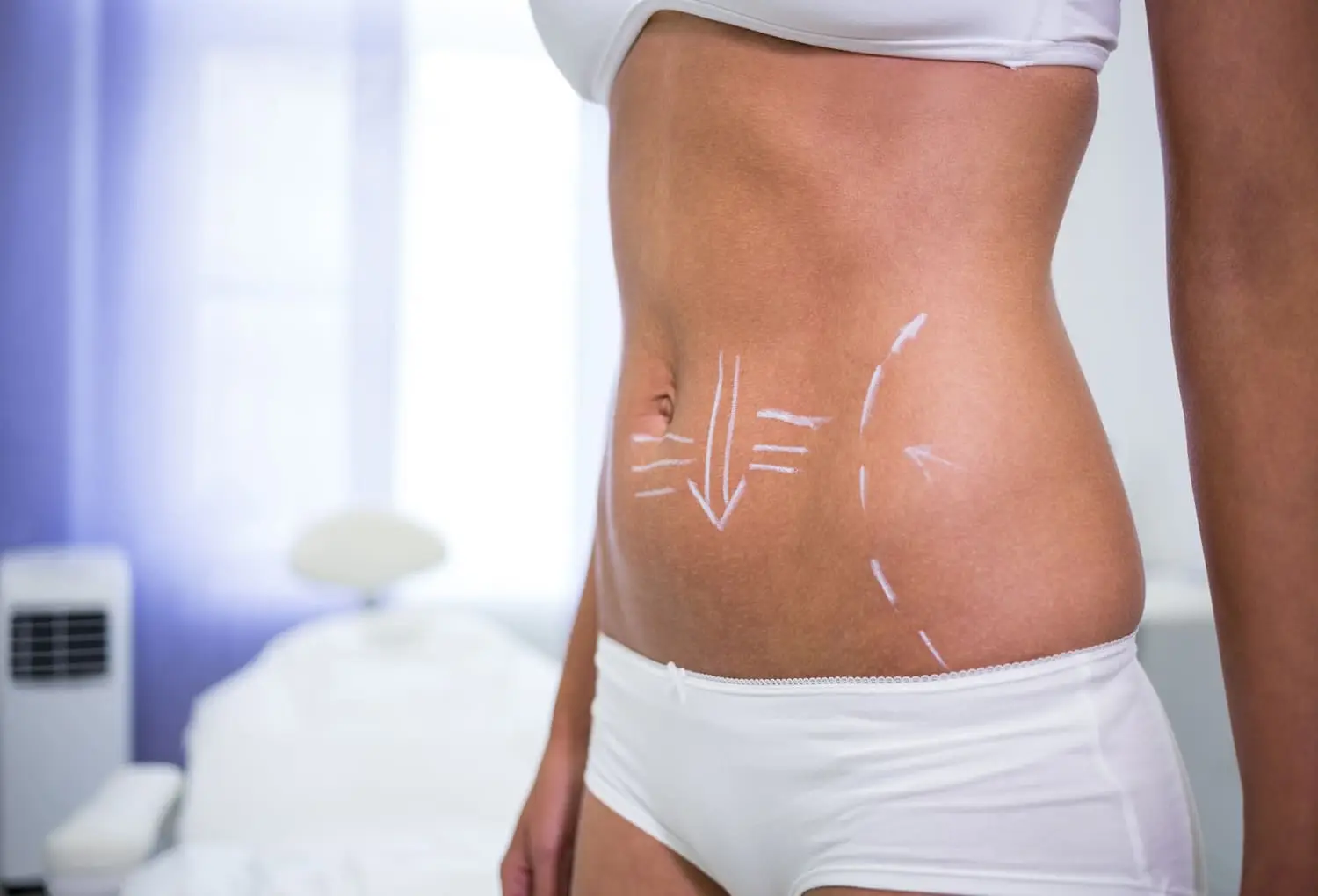
Many people dream of a toned body, firm muscles, and reduced fat — but simply don't have hours to spend at the gym every day. That's where Emsculpt comes in. It's an innovative treatment that builds muscle and burns fat simultaneously, with no surgery required. Here at Top Med World, we'll walk you through everything you need to know about Emsculpt — from how it works and which body areas it targets, to who it's best suited for and what the procedure involves.What Is Emsculpt?Emsculpt is a revolutionary non-surgical medical innovation for muscle building and fat reduction. It uses HIFEM Technology (High-Intensity Focused Electromagnetic) — high-intensity focused electromagnetic energy — designed to stimulate muscle contractions far beyond what any conventional workout can achieve. These Supramaximal Contractions simultaneously trigger new muscle mass development and accelerate the fat-burning process, making Emsculpt one of the most effective Body Contouring technologies available today.How Does Emsculpt Work?Emsculpt relies on HIFEM Technology to deliver electromagnetic energy directly into the muscle layer, causing intense and continuous muscle contractions that are impossible to replicate through normal exercise. These maximal contractions lead to two key changes in the body:Muscle Builder: The intense contractions force muscle fibers to restructure and generate new fibers, resulting in stronger, denser, and larger muscles.Fat Burner: The powerful contractions also trigger Apoptosis — the natural death of nearby fat cells — which are then gradually eliminated by the body, leading to a visible and lasting reduction in fat.Treatment Areas for EmsculptEmsculpt can be applied to multiple areas of the body where muscle building and fat reduction are desired — particularly areas that respond well to exercise but where faster, more defined results are wanted:Abdomen: Strengthens abdominal muscles and reduces belly fat, helping create a six-pack, a toned stomach, or a defined "11 line" / Sexy Line for women.Buttocks: Lifts, firms, and sculpts the glutes for a more shapely appearance — no surgery or injections needed.Upper Arms: Reduces arm fat and tightens the muscles to address sagging or flabby arms.Thighs: Firms and strengthens the thigh muscles for a more toned, contoured look.Calves: Builds calf muscle definition for a leaner, more sculpted lower leg.Who Is Emsculpt Best Suited For?Emsculpt is ideal for those looking to reshape their body and enhance muscle definition. Those who will see the most noticeable results include:People who already exercise but lack muscle definition: If you watch your diet and work out regularly but your six-pack or "11 line" just won't show, Emsculpt can help make those muscles more defined and visible.Postpartum mothers: It helps correct Diastasis Recti (separation of the abdominal muscles) and restores abdominal firmness more quickly — an effective solution for post-pregnancy belly concerns.Those wanting a lifted, firmer backside: Perfect for anyone who wants rounder, perkier glutes without going under the knife.Busy individuals with no time to exercise: A highly efficient shortcut to building muscle strength and reducing stubborn localized fat.Note: Emsculpt is not a weight-loss treatment for those with obesity (very high BMI), people with metal implants in the body (e.g., pacemakers), or women who are pregnant.The Emsculpt Procedure: Step by StepThe Emsculpt process is straightforward and doesn't take long. Here's what to expect:Consultation: A doctor or specialist will assess your body condition, discuss your goals, and create a personalized treatment plan.Preparation: You lie down comfortably while the specialist places the Emsculpt applicator onto the target treatment area.Treatment Session: The device emits HIFEM Technology waves to stimulate muscle contractions. You'll feel continuous muscle tightening — similar to an intense workout. Each session lasts approximately 30 minutes.Post-Treatment: You can return to your normal daily activities immediately. Mild muscle soreness, similar to post-workout fatigue, is normal and expected.Are There Side Effects? Is Emsculpt Safe?Emsculpt is FDA-approved (U.S. Food and Drug Administration) for both safety and efficacy. Side effects are minimal and typically mild, including:Muscle soreness: Similar to the soreness felt after an intense workout — usually resolves on its own within 1–2 days.Mild redness or swelling: May occasionally appear at the treatment site but fades quickly.Who should avoid Emsculpt: Pregnant women, individuals with metal implants in the body (e.g., pacemakers, artificial joints), or those with abnormal bleeding conditions. Always consult a doctor before beginning treatment.How Many Sessions Does It Take to See Results?Most people begin noticing visible changes after approximately 4 sessions, spaced 2–3 days apart. Results continue to improve progressively, with peak results typically visible 2–4 weeks after the final session.How Often Should You Do Emsculpt?To maintain and build on your results, Emsculpt is recommended as a course of 4–6 sessions. Maintenance sessions every 3–6 months may be advised depending on individual goals and body condition. Combining treatment with a nutritious diet and regular exercise will help sustain results for longer.Where Should You Get Emsculpt Done?If you're looking for a trusted place to get Emsculpt, Top Med World is a leading Medical Tourism platform that exclusively partners with reputable, internationally accredited clinics and hospitals in Thailand — specializing in cosmetic surgery and body contouring.Partner clinics offering Emsculpt through Top Med World:ID ClinicWansiri HospitalMasterpiece HospitalKamol Cosmetic HospitalBangkok HospitalWhy choose Top Med World?Exclusively partners with internationally certified clinics and hospitalsExpert medical team specializing in nutrition and Body Contouring available for close consultation24-hour customer service with special packages and promotionsEasy and convenient online bookingServing both Thai and international patients seeking Medical Tourism in Thailand In Summary: Emsculpt is a cutting-edge Body Contouring innovation that uses HIFEM Technology to serve as both a Muscle Builder and Fat Burner — simultaneously. It's safe, proven effective, requires no surgery, and suits people of all ages who want a better body without spending countless hours working out. To learn more or book a consultation, visit topmedworld.com or call +66-81151-8777, available 24 hours a day.