10 Ways to Fix a Sagging Belly and Stretch Marks
Date 20/05/2026
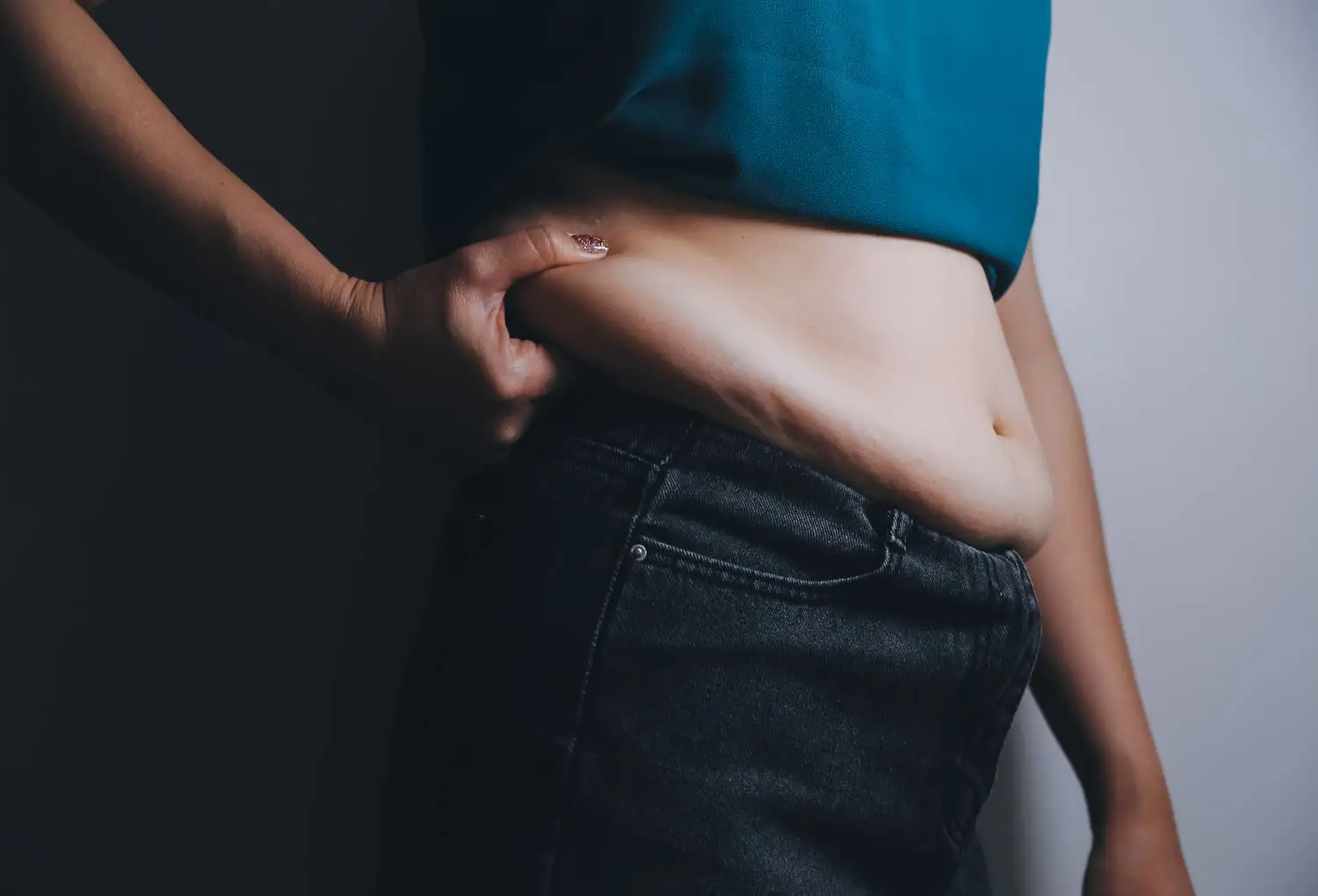
One of the most common concerns, especially among women, is the problem of a sagging belly or stretch marks that become noticeably visible after pregnancy or rapid weight loss — affecting both men and women alike. The skin in that area loses its elasticity, developing wrinkles and looseness. This issue doesn't just affect confidence; it's also a sign that our bodies are aging prematurely. In this article, Top Med World will walk you through 10 ways to fix a sagging belly, so you can reclaim a beautiful figure and feel confident again.
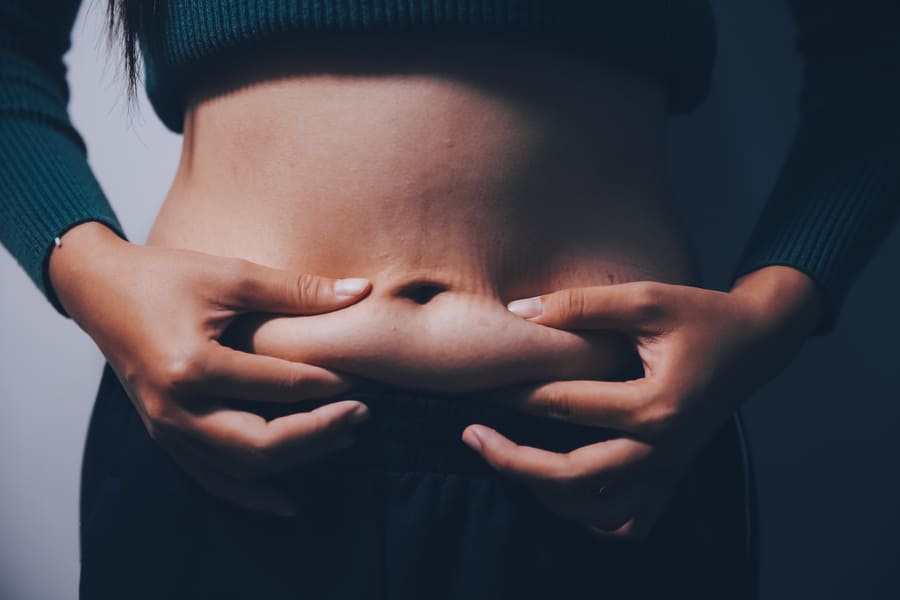
A Sagging Belly — A Sign of "Premature Aging"
Just as the skin on our face can show signs of aging, so can the skin on our belly. When the skin loses collagen and elastin — the key proteins that keep skin firm and elastic — it becomes much more susceptible to sagging and stretch marks. Factors such as pregnancy or the postpartum period, loose skin after weight loss, aging, rapid changes in body weight, and genetics all contribute to skin deterioration. Caring for the skin across your entire body is therefore just as important as skincare for your face — to slow down the signs of premature aging that may appear on your body.
10 Ways to Fix a Sagging Belly and Stretch Marks
A sagging belly or stretch marks are concerns for many people, particularly postpartum women. But don't worry — here are 10 proven methods to address both issues, ranging from lifestyle adjustments to the latest aesthetic innovations.
1. Muscle-Building Exercise
Strength training — especially exercises that target the abdominal muscles, such as planks, crunches, and leg raises — helps build muscle, fills the space beneath loose skin, and makes the belly look firmer and less saggy. In addition, cardio exercises such as running, jogging, and swimming help reduce excess fat and stimulate blood circulation, which benefits overall skin health as well.
2. Eating a Nutritious Diet
Consuming foods high in protein — such as lean meats, fish, eggs, and legumes — is essential for building and repairing collagen and elastin in the skin. Foods rich in vitamin C, found in citrus fruits, leafy greens, and berries, are also key nutrients that support collagen synthesis, making the skin stronger and more elastic.
3. Staying Adequately Hydrated
One of the simplest steps is drinking enough water. Water is a vital component of the body — drinking at least 8 glasses of water per day helps keep the skin hydrated, elastic, and healthy-looking. Dehydration can cause the skin to become dry and prone to sagging.
4. Using Targeted Skincare Products
Creams containing ingredients such as retinol, collagen, elastin, or hyaluronic acid can help boost moisture, stimulate collagen production, and improve skin elasticity in the belly area. Consistent, regular application is key to achieving the best results.
5. Skin-Firming Massage
Regularly massaging the belly area with oils or body lotions can help stimulate blood circulation, improve skin elasticity, and reduce the appearance of cellulite. When done with the correct technique, massage can leave the skin looking smoother and firmer.
6. Laser Skin Tightening
Certain laser technologies — such as Fractional CO₂ Laser or Picosecond Laser — can stimulate collagen and elastin production in the skin, reduce the appearance of stretch marks, and make the belly skin look firmer and smoother. Laser treatments should always be performed under the supervision of a qualified physician.
7. RF (Radiofrequency) or HIFU (High-Intensity Focused Ultrasound)
RF and HIFU are non-surgical technologies that use thermal energy to stimulate collagen and elastin production in the skin. They help tighten loose belly skin, reduce sagging, and improve overall skin texture. These methods are popular because they require minimal downtime.
8. Collagen-Stimulating Injections (Biostimulators)
Biostimulators such as Sculptra or Radiesse can be injected into the skin to trigger the body's natural collagen production. This increases skin density and elasticity, helping a sagging belly look firmer and reducing stretch marks over time. This option is ideal for those who prefer gradual, natural-looking results.
9. Mini Tummy Tuck
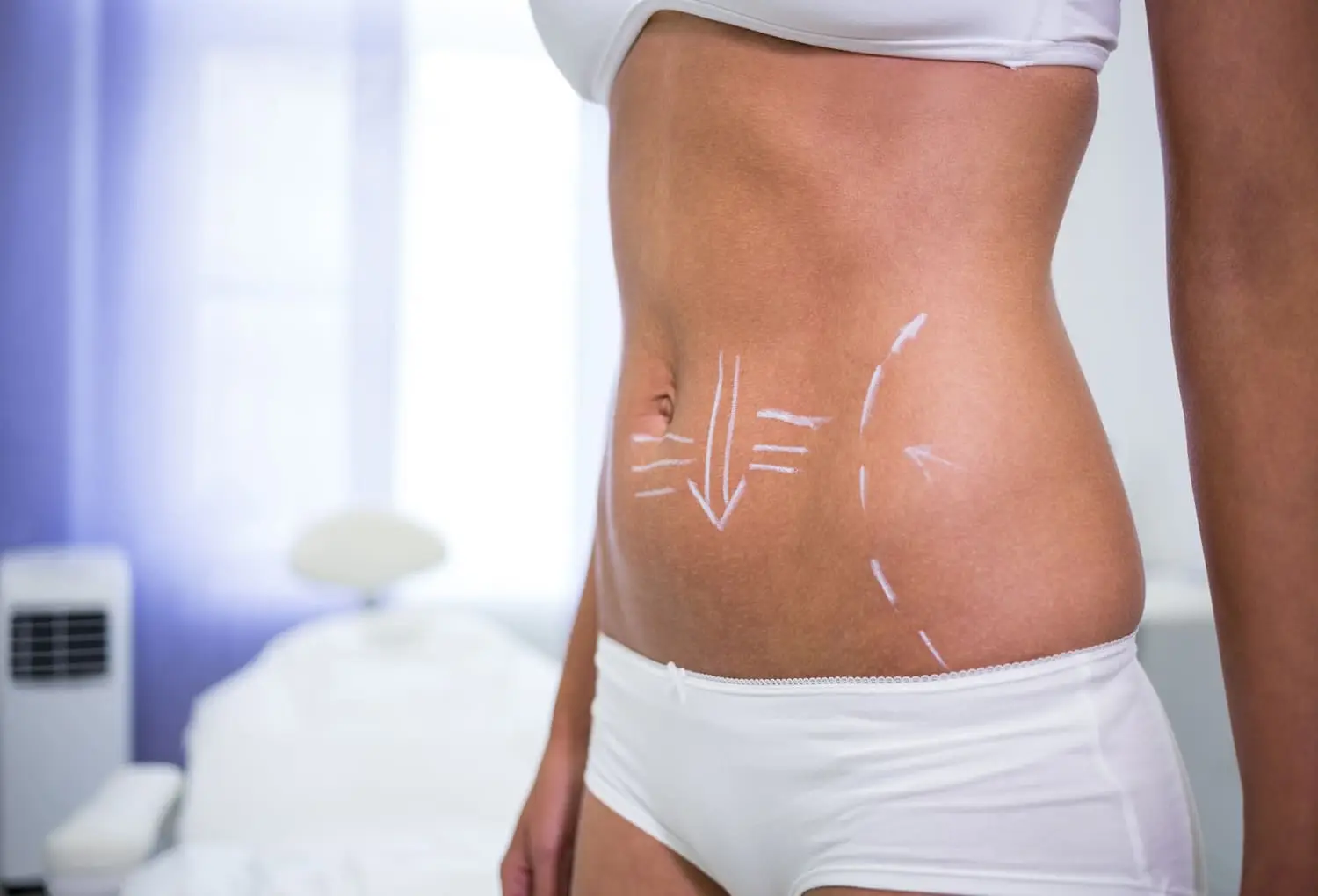
For those with moderate sagging — particularly below the navel, with a small amount of excess fat — a Mini Tummy Tuck is a suitable option. This procedure uses a smaller incision than a full tummy tuck and focuses on removing excess skin and fat from the lower abdomen only, without correcting the abdominal muscles or repositioning the navel. Recovery time is shorter and scarring is less extensive.
10. Tummy Tuck (Full Abdominoplasty)
For those with severe sagging, significant excess skin and fat, or weakened and separated abdominal muscles (diastasis recti), a full Tummy Tuck is the most effective solution. This procedure removes excess skin and fat from below the chest down to the pubic area, tightens the abdominal muscles, and repositions the navel for a natural appearance. A Tummy Tuck delivers a flat, firm, and beautifully contoured abdomen — with permanent results.
Top Med World offers both Tummy Tuck and Mini Tummy Tuck procedures performed by specialist surgeons at our network of renowned partner hospitals, ensuring the very best outcomes.
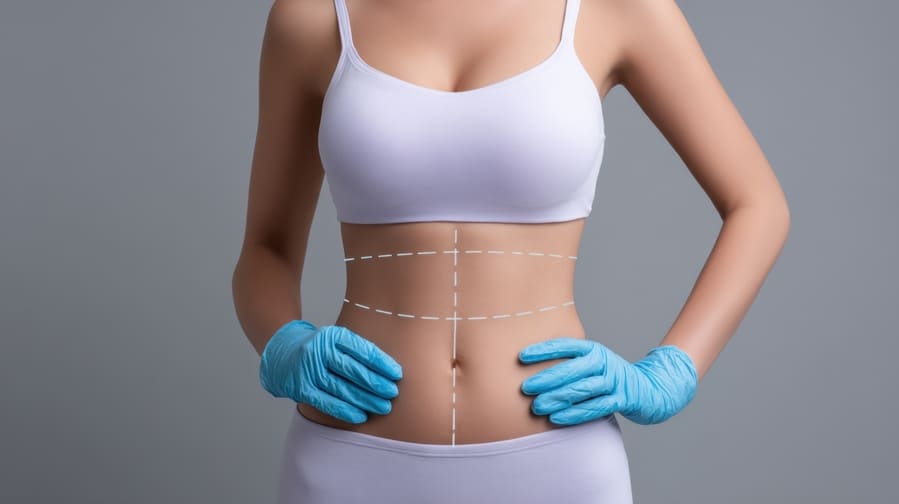
Fix Your Sagging Belly with Top Med World
Thailand is a leading hub for aesthetic medicine, with highly trained and experienced surgeons, state-of-the-art medical technology, and deep expertise in addressing belly sagging — offering outstanding value in both pricing and internationally accredited quality of care.
At Top Med World, we are committed to selecting only top-tier, accredited clinics and hospitals to ensure your safety and the highest level of satisfaction. Our trusted partners include:
- ID Clinic
- Wansiri Hospital
- Masterpiece Hospital
- Kamol Cosmetic Hospital
- Bangkok Hospital
If you're looking for an opportunity to transform and look your best, contact Top Med World today to receive expert consultation and conveniently book your appointment.
Frequently Asked Questions (FAQ)
1. Is a Tummy Tuck painful? A Tummy Tuck is a major surgery performed under local or general anesthesia, so there is no pain during the procedure. After surgery, some discomfort and soreness are expected; your surgeon will prescribe pain medication to manage this, and you will receive close care throughout the recovery period.
2. How long is the recovery after a Tummy Tuck? Recovery time varies between individuals. Generally, patients need approximately 2–4 weeks before returning to normal daily activities, and it may take several months to see the final results. Strictly following your doctor's post-operative instructions is essential for a smooth recovery.
3. Will the scars from a Tummy Tuck be visible? Tummy Tuck scars are typically located along the bikini line, where they can be concealed beneath underwear or a swimsuit. While scars fade over time, they remain permanent. Your surgeon will aim to make incisions as small as possible and position them where they are least visible.
4. Who should consider a Tummy Tuck? A Tummy Tuck is best suited for those with severe abdominal sagging, significant excess skin and fat that cannot be resolved through exercise or diet — such as people who have lost a large amount of weight, postpartum women with diastasis recti, or anyone wishing to achieve a firmer, smoother body contour.
5. Will the belly sag again after a Tummy Tuck? The results of a Tummy Tuck are typically permanent, provided the patient maintains a stable weight and a healthy lifestyle. However, future pregnancies or significant weight fluctuations may affect the results. Consulting your doctor to plan appropriate post-surgery care is therefore strongly recommended.