
Our Latest News

Premature Aging: Causes and Solutions
Premature aging is a condition in which the skin shows signs of age earlier than expected. In general, the human body begins to lose collagen and skin elasticity around the age of 25. However, in people with premature aging, these signs appear sooner and are more severe than normal, making the skin look years older than its actual age. It is a skin concern that many people experience from a young age — whether it's wrinkles, sagging skin, or age spots that seem out of place. In this article, Top Med World will walk you through the causes, how to identify the symptoms, and effective solutions for premature aging.Causes and Behaviors That Lead to Premature Skin AgingUnderstanding the causes of premature aging is key, as each factor requires a different prevention strategy. The main causes include:1. Sun Exposure (UV Radiation)UVA and UVB rays are the number-one cause of premature skin aging, a condition known as photoaging. UV radiation breaks down collagen and elastin in the skin, leading to wrinkles, dark spots, and sagging skin before their time. Summer months are particularly damaging, as sunlight is significantly more intense.2. SmokingThe toxins in cigarette smoke damage the capillaries that nourish the skin, reduce oxygen delivery, and accelerate collagen breakdown. Researchers have found that smokers are up to 40% more likely to develop premature wrinkles than non-smokers.3. Chronic StressChronic stress triggers the release of the stress hormone cortisol, which breaks down collagen, causing skin to lose elasticity, look tired, and develop more wrinkles over time.4. Insufficient SleepDuring sleep, the body undergoes cell repair and skin regeneration. Sleeping fewer than 7 hours a night disrupts this process, causing skin to recover more slowly and accumulate damage at a faster rate.5. Poor DietFoods high in sugar and refined carbohydrates trigger a process called glycation, in which sugar molecules bind to collagen and cause the skin to become stiff and lose elasticity. Insufficient water intake and nutritional deficiencies are also contributing factors to premature aging.6. Air PollutionPM2.5 particles and airborne toxins can penetrate the outer layers of the skin, generating oxidative stress that damages skin cells, accelerates the formation of dark spots and wrinkles — particularly in people living in urban areas.7. GeneticsWhile genetics is the factor least within our control, it plays a significant role in determining the speed of the aging process. If family members have experienced premature aging, there is a higher likelihood you will face the same issue.Symptoms of Premature Aging: What to Look ForPremature aging presents itself in several commonly observed ways, including:Fine and deep wrinkles, particularly around the eyes (crow's feet), forehead, and mouthSagging skin around the cheeks, double chin, and neckDark spots and hyperpigmentation appearing faster than normalDull skin lacking radiance and luminosityEnlarged pores that are clearly visibleDry, dehydrated skin even when drinking adequate waterEffective Solutions for Premature AgingThere are many ways to address premature aging — ranging from lifestyle changes you can make on your own, to advanced aesthetic medicine and surgical facial rejuvenation procedures.Lifestyle Changes You Can Make YourselfProtect your skin from the sun: Apply sunscreen with SPF 30 PA+++ or higher every day, even on cloudy days. Avoid direct sun exposure between 10:00 AM and 4:00 PM.Eat a nutritious diet: Focus on fruits and vegetables rich in antioxidants, and reduce your intake of sugary and processed foods.Stay adequately hydrated: Drinking enough water helps keep skin moisturized and healthy.Get enough sleep: Aim for 7–8 hours of sleep per night to allow your body to repair skin cells.Manage stress: Set aside time for relaxing activities such as yoga, meditation, or listening to music.Quit smoking and reduce alcohol consumption: For better long-term skin health.Choose the right skincare products: Look for ingredients that target wrinkles and firmness, such as retinol, vitamin C, peptides, and hyaluronic acid.Medical Aesthetic InnovationsFor those seeking more noticeable and faster results, medical aesthetic innovations can effectively address premature aging:Dermal Fillers: Restore volume to deep wrinkles and hollows, such as nasolabial folds and under-eye areas, while also reshaping the face for a more youthful appearance.Botox Injections: Reduce the appearance of expression lines, including forehead lines, frown lines, and crow's feet.Laser and Skin-Tightening Treatments: Technologies such as HIFU, Ulthera, and Thermage stimulate collagen production and lift sagging skin.Thread Lifting: Lifts sagging skin and promotes collagen synthesis for a more defined facial contour.Surgical Facial Rejuvenation: Face Lift and Mini Face LiftFace LiftA Face Lift (Rhytidectomy) is a surgical procedure designed to correct sagging skin and muscle tissue in the face and neck, deep wrinkles, and volume loss. The technique involves lifting the underlying facial structures (such as the SMAS layer) and removing excess skin, resulting in a more youthful appearance with a sharper facial contour. Results look natural and can last 7–10 years.Best suited for: Individuals with significant skin laxity, deep wrinkles, and those seeking dramatic, long-lasting results.Mini Face LiftA Mini Face Lift is a less invasive facelift procedure that targets the lower cheeks and jawline. It involves smaller incisions and a shorter recovery time compared to a full facelift. This technique is ideal for those beginning to show mild to moderate signs of sagging and who want natural-looking results without a lengthy downtime.Best suited for: Individuals aged 40 and above with mild to moderate sagging around the cheeks and jawline, who desire a naturally rejuvenated appearance with a faster recovery.Why Choose Top Med World for Premature Aging Treatment?Top Med World specializes in connecting patients with leading, JCI-accredited hospitals and clinics worldwide, particularly in Thailand — with expertise in premature aging treatment and a broad range of aesthetic procedures. Our network includes renowned plastic surgery hospitals and clinics such as ID Clinic, Wansiri Hospital, Masterpiece Hospital, Kamol Cosmetic Hospital, and Bangkok Hospital.Our Exclusive Services Include:Personalized Consultation: We assess your needs and goals to recommend the most suitable clinic and surgeon for you.Seamless Coordination: We handle travel arrangements, accommodation, local transportation, and visa assistance for a stress-free experience.Hospital Liaison: We manage all communications and logistics with your chosen clinic, ensuring a smooth and efficient process.Post-Operative Support: We provide guidance and assistance throughout your recovery period for the best possible outcome. Frequently Asked Questions (FAQ)1. At what age can premature aging start to appear? Signs of premature aging can begin to show as early as the late 20s to early 30s, depending on genetic factors and lifestyle habits — particularly sun exposure and pollution.2. Does sunscreen really help prevent premature aging? Absolutely. Sunscreen is the single most important tool for preventing premature aging, as it protects the skin from UV rays — the primary cause of collagen and elastin breakdown. Apply sunscreen with at least SPF 30 PA+++ every day.3. What is the difference between a Face Lift and a Mini Face Lift? A Face Lift is a full surgical procedure that addresses sagging across the entire face and neck, offering more dramatic and long-lasting results. A Mini Face Lift is a less invasive procedure focusing on the lower cheeks and jawline, suited for patients with mild sagging and a preference for shorter recovery times.4. How long is the recovery period after a facelift? A full Face Lift typically requires 2–4 weeks of recovery, while a Mini Face Lift generally takes 1–2 weeks, depending on individual health and post-operative care.5. How long do facelift results last? The results of both Face Lift and Mini Face Lift procedures generally last approximately 7–10 years. However, longevity depends on post-operative care, sun protection, and overall lifestyle habits.
 Date 27/01/2026
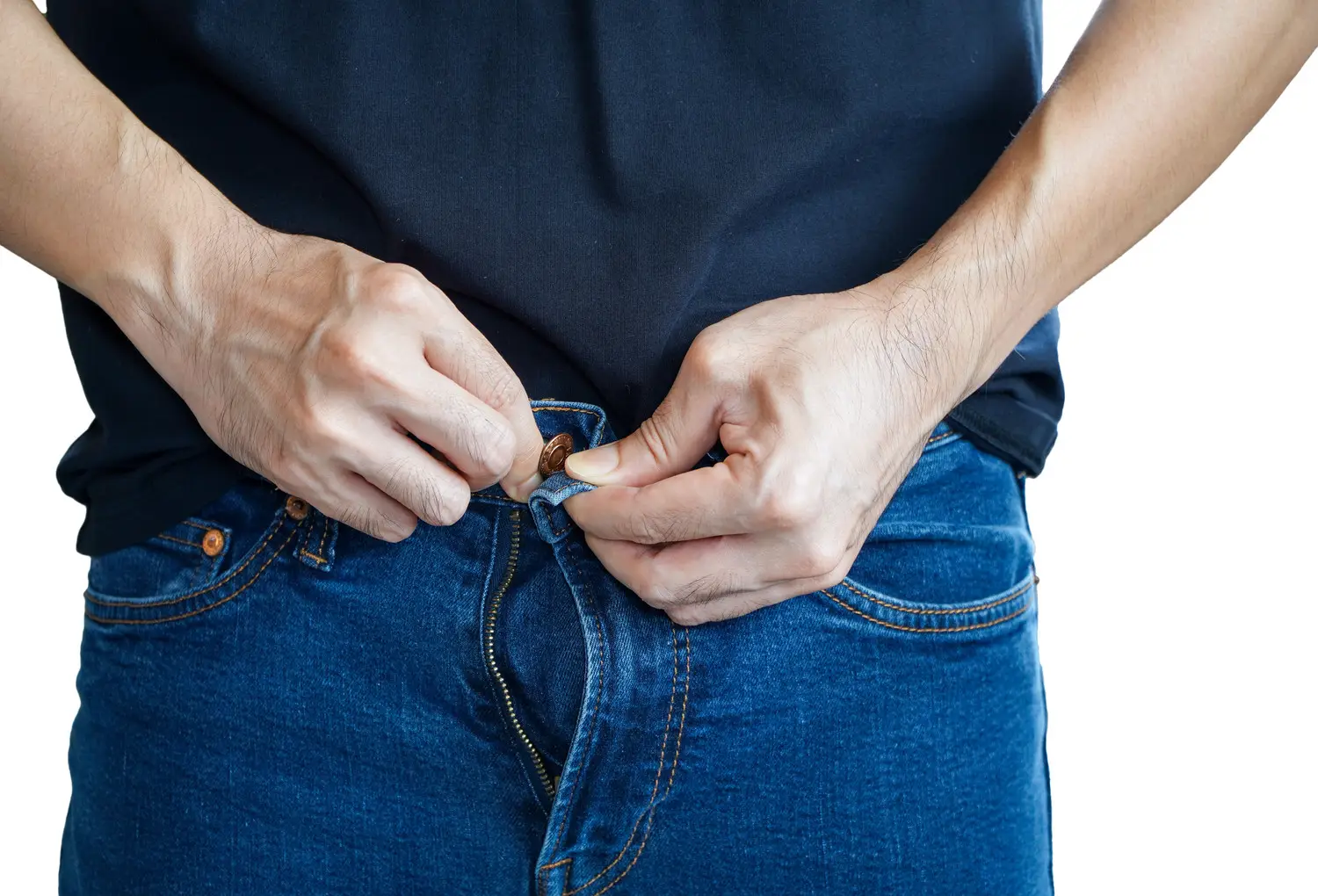
What is Phalloplasty?
Phalloplasty is the surgical construction of a penis (phallus) using tissue from other parts of the body to create a new genital organ. The goal is to achieve an appearance that looks like or closely resembles a natural penis, enables standing urination, and, in some cases, allows for sexual intercourse following the insertion of an erectile device.But who is Phalloplasty suitable for? How many types are there? What are the surgical steps? How should one prepare? What are the risks and side effects? How is post-operative care managed? And why should you choose to do it in Thailand? Top Med World, a medical tourism provider, is here to guide you.What is Phalloplasty?Phalloplasty is a gender-affirming surgery designed to establish a male physical appearance by creating a penis that closely resembles a natural male organ in shape. This is achieved by harvesting tissue from various parts of the body—such as the abdomen, forearm, or thigh—to form the phallus.The procedure typically involves urethral lengthening to allow for standing urination, the creation of the glans (head of the penis), scrotoplasty (creation of the scrotum), vaginectomy (closure of the vaginal canal), and the formation of the penile shaft. The specific approach to the surgery is highly customizable depending on the individual; some patients may require more or fewer steps than others.Who is a Candidate for Phalloplasty?Phalloplasty is suitable for Transgender Men who wish to align their physical body with their gender identity. Candidates generally must have undergone hormone replacement therapy (Testosterone) for at least one year, received a psychological evaluation and approval from qualified mental health professionals, understand the risks and outcomes, and be in good physical and mental health.Additionally, Phalloplasty is suitable for Cisgender Men (men assigned male at birth) who have lost their penis due to trauma, or those born with conditions such as Ambiguous Genitalia or Micropenis (severely small penis).Types of PhalloplastyPhalloplasty techniques are categorized by the "donor site"—the area of the body from which tissue is harvested. The choice depends on the patient's body type and the surgeon's assessment.The main types include:Radial Forearm Flap (RFF): Tissue from the forearm. This is the most popular method because the skin here is thin, pliable, and has excellent nerve supply, resulting in superior tactile and erotic sensation. However, it leaves a visible scar on the arm, which requires a skin graft from another area to cover.Anterolateral Thigh Flap (ALT): Tissue from the outer thigh. The scar is easier to hide under clothing. The skin is thicker, making it suitable for patients with thin arms. However, sensation may not be as sensitive as the forearm method, and if the patient has significant fat on the thighs, the resulting phallus may appear bulky and be difficult to sculpt.Musculocutaneous Latissimus Dorsi (MLD): Tissue from the back muscle. The scar is hidden on the back, and a larger size can be created. However, connecting nerves is more difficult, often resulting in less erotic sensation compared to the first two methods.Abdominal Flap: Tissue from the lower abdomen. This leaves the most easily hidden scar and is a less complex surgery. However, it typically lacks nerve hookups for erotic sensation and is often chosen primarily for aesthetic purposes or standing urination.Surgical Procedure and PreparationThe steps for Phalloplasty vary depending on the surgeon’s technique, the patient's anatomy, and the chosen donor site.Pre-operative PreparationPsychological Evaluation: Must be certified by psychiatrists/mental health professionals.Hormone Therapy: Should be on continuous testosterone therapy for at least 1 year.Stop Smoking: Must quit smoking for at least 3–6 months (this is crucial for tissue survival).Hair Removal: Laser hair removal or electrolysis at the donor site is usually required before surgery.Surgical StepsThe process is typically a multi-stage surgery:Stage 1 - The Initial Construction: The surgeon harvests tissue, skin, blood vessels, and nerves from the donor site (e.g., the arm). This is rolled into a "tube-within-a-tube" (the inner tube for the urethra, the outer for the shaft) and attached to the pubic area. Microsurgery is used to connect blood vessels and nerves.Stage 2 - Aesthetics & Refinement: After the initial wounds have healed (approx. 6 months), the surgeon may perform Glansplasty (sculpting the head), Scrotoplasty (creating the scrotum), and Vaginectomy (if not done previously).Stage 3 - Penile Implant: Once full healing has occurred and sensation has returned (usually 1 year or more), a Penile Implant can be surgically inserted to allow the penis to become erect for sexual intercourse.Side Effects and Risks of PhalloplastyAs a major surgery, Phalloplasty carries risks and potential complications. The most common issues are urinary complications, such as urethral strictures (narrowing) or fistulas (leaks). Other risks include tissue necrosis (tissue death) due to poor blood vessel connection, and delayed healing at the donor site.Post-Operative CareRecovery from Phalloplasty is a long process requiring strict adherence to care instructions.Hospital Stay: Typically 1–2 weeks in the hospital.Home Recovery: Resting at home or a hotel for another 4–6 weeks.Catheter: A urinary catheter will be in place for a period.Wound Care: Wounds must be kept dry and clean.Therapy: Physical therapy may be required, particularly for hand/arm mobility if the RFF method was used.Phalloplasty in Thailand with Top Med WorldThailand is considered a global center for gender affirmation surgery, including Phalloplasty. The country boasts highly skilled surgeons with extensive experience and world-class hospitals, all at a cost significantly lower than in Europe or the USA.Top Med World is a Medical Tourism provider ready to offer comprehensive services. We partner with leading hospitals and clinics, such as:ID ClinicWansiri HospitalMasterpiece HospitalKamol Cosmetic HospitalBangkok HospitalIf you would like to know more, Top Med World offers price packages, special promotions, and surgical details from leading hospitals in Thailand and globally.Contact us for appointments, consultations, or online doctor consultations today.
 Date 08/12/2025
What is Sexy Line?
The "11 Line" refers to the two vertical lines running down the sides of the abdomen, resembling the number 11. Anatomically known as the Linea Semilunaris, this line divides the central abdominal muscles from the lateral muscles. Having a visible "11 Line"—often referred to as the Sexy Line—indicates low belly fat and a toned, firm, and healthy physique.But how does the "11 Line" differ from a Six Pack? How can it be created? What is "Sexy Line Liposuction," who is it for, and what is the recovery like? Top Med World is here to guide you.Difference between the "11 Line" (Sexy Line) and a Six PackThe difference lies in the visual appearance, muscle definition, "vibe," and popularity.Feature11 Line (Sexy Line)Six PackAppearanceEmphasizes 2 vertical lines on the sides of the torso (Left & Right).Emphasizes distinct muscle blocks (usually 6–8 packs).Vibe/FeelingLooks healthy, firm, and toned. Often associated with a softer, feminine aesthetic.Looks strong, aggressive, and highly defined.Fat ContentA thin layer of fat may remain to keep the look soft and natural.Fat must be minimized as much as possible to reveal clear muscle separation.PopularityHighly popular among women.Highly popular among men or female bodybuilders. How can the "11 Line" or Sexy Line be created?There are multiple ways to achieve a Sexy Line. The most basic method is through consistent exercise and diet control. However, it can also be achieved through medical procedures, specifically VASER Liposuction. This method creates clear muscle grooves and is a highly effective option for sculpting the "11 Line." Creating the Sexy Line via LiposuctionSexy Line Liposuction using VASER technology is not just about removing belly fat to flatten the stomach. It is a form of abdominal etching designed to enhance the visibility of the "11 Line." The surgeon selectively removes fat to create grooves and shadows along the Linea Semilunaris, resulting in a look that mimics the results of rigorous exercise. Who is suitable for Sexy Line Surgery?VASER Hi-Def Liposuction for the Sexy Line is not suitable for everyone. Ideal candidates require preparation and should meet specific criteria:Body Fat: Must not have excessive abdominal fat.BMI: Should have a normal Body Mass Index (BMI).Lifestyle: Suitable for those who exercise but cannot get the "11 Line" to show.Skin Quality: The skin must not be excessively sagging or loose. Steps of the Sexy Line ProcedureOnce the patient is physically ready and evaluated by a doctor, the procedure involves:Preparation & Anesthesia: Usually performed under general anesthesia or local anesthesia with sedation.Tumescent Injection: A saline solution mixed with anesthetic and a vasoconstrictor is injected into the fat layer.Emulsification & Suction: The doctor uses VASER or similar tools to liquefy the fat and help tighten the skin.Etching: The doctor performs targeted suction to create indentations along the muscle lines while leaving a thin layer of fat over the muscle bellies to create a highlighted, 3D effect.Closing: The incisions are tiny (approx. 0.5 cm) and hidden along the bikini line or inside the navel. Post-Op Care and RecoveryAlthough the incisions are small, proper aftercare is crucial for the best results and to minimize side effects.Compression Garment (Most Important): Must be worn 24 hours a day for the first month, and 12 hours a day during the second month. This ensures the skin adheres to the muscle and reduces swelling.Wound Care: Clean the wounds daily. Keep the wounds dry until stitches are removed (approx. 7 days).Dietary Restrictions: Avoid alcohol, fermented foods, very spicy foods, and seafood to reduce inflammation and swelling.Avoid Heavy Activity: No heavy lifting or strenuous exercise for the first 2–4 weeks.Massage: Start firm massage (or RF treatment) 2 weeks post-op to break down hard lumps (induration) and smooth the abdomen. Create your Sexy Line in Thailand with Top Med WorldAt Top Med World, we are experts in various cosmetic procedures, including liposuction for the "11 Line." We have selected top-tier clinics and hospitals in Thailand and globally, known for their plastic surgery expertise, to help you achieve the abdominal look you desire under professional medical guidance.Our Partners Include:ID ClinicWansiri HospitalMasterpiece HospitalKamol Cosmetic HospitalBangkok Hospital Interested in pricing packages, special promotions, or medical tourism options?Contact Top Med World today to make an appointment, meet a doctor, or have an online consultation.
 Date 08/12/2025
What is Six Pack Surgery?
Six Pack Surgery is a cosmetic surgical procedure using liposuction technique that makes abdominal muscles more visibly defined. Doctors remove fat along the natural muscle grooves to create prominent six-pack contours with enhanced dimension. No implants or foreign objects are inserted - only fat is removed, resulting in natural-looking six-pack abs.Who is six pack surgery suitable for? What are the steps involved? How should you prepare? What does post-operative care and recovery entail? We at Top Med World will explain everything you need to know.Who Is Six Pack Surgery Suitable For?It's important to understand that six pack surgery involves liposuction specifically to create defined abs - it's not for weight loss. Six Pack Surgery is suitable for people who already have proportionate body shapes but still have fat accumulation in the abdominal area, who exercise but can't achieve visible six-pack definition, and who have a Body Mass Index (BMI) within normal range. It's also suitable for those with good, elastic skin quality that isn't excessively sagging.Six pack surgery is not suitable for people with excessive abdominal fat or those who are overweight with protruding bellies, as this type of fat cannot be effectively removed.What Are the Steps Involved?The Six Pack Surgery liposuction procedure takes approximately 2-4 hours. Time may vary depending on case complexity. The overall steps include:Marking: The doctor has the patient flex their abdomen to identify positions and draw six-pack groove linesAnesthesia: General anesthesia or local anesthetic injection administered by an anesthesiologistSolution injection: Saline solution mixed with anesthetic and vasoconstrictors is injected into the fat layer to facilitate easier fat removalFat removal: Doctors use VASER equipment to break down and suction out fat, focusing especially on six-pack grooves to create dimensionWound closure: Incisions are very smallPre-Surgery Preparation for Six Pack SurgeryTo ensure smooth six pack surgery, pre-operative preparation is important. Pre-surgery recommendations include:Stop medications and supplements: Discontinue aspirin, vitamin E, and fish oil at least 2 weeks prior to prevent bleeding complicationsStop smoking and alcohol: At least 2 weeks before surgery to promote faster wound healingPhysical examination: Blood tests and general health checks as recommended by your doctorPost-Surgery Care and Recovery for Six Pack SurgeryAfter six pack surgery, there are self-care steps and recovery procedures to follow according to doctor's recommendations, which typically include:Wear compression garment: Most important - must wear abdominal compression garment 24 hours a day for the first month (remove only for bathing) to press skin against the created muscle groovesDrainage: During the first 1-2 days, saline mixed with blood may seep from incisions, which is normalReduce swelling: Swelling and bruising will be most severe in the first 3-4 days and gradually subside, with clear definition visible in 1-3 monthsRF massage/firming massage: After approximately 2 weeks, physical therapy or massage should be done to prevent hard fat lumps (Seroma/Fibrosis) and help smooth the abdomenExercise: Avoid strenuous exercise for 1 month, but light walking is permitted immediately after surgeryWhat Is VASER Hi-Def Liposuction for Creating Six Pack Abs?VASER Hi-Def is modern liposuction technology very popular for creating six-pack abs. It's equipment that uses ultrasound waves to break down fat deposits into liquid form before suctioning them out. It's highly precise liposuction equipment that doesn't damage blood vessels, nerves, or surrounding tissue, making it more suitable for sculpting six-pack definition than regular liposuction.Six Pack Surgery in Thailand with Top Med WorldAt Top Med World, we are experts in various surgical procedures including Six Pack Surgery and have carefully selected leading clinics and hospitals renowned in Thailand and worldwide for cosmetic surgery that addresses six-pack appearance concerns with appropriate treatments as recommended by doctors, such as:ID ClinicWansiri HospitalMasterpiece HospitalKamol Cosmetic HospitalBangkok HospitalIf you would like information about Top Med World's packages, prices, special promotions, and surgical procedures from leading hospitals and clinics in Thailand and worldwide, contact us to schedule appointments, meet with doctors, or consult doctors online.
 Date 28/11/2025
What is Big Eye Plastic Surgery?
Big Eye Plastic Surgery is a cosmetic procedure that enhances the shape of the eyes, making them appear bigger, brighter, and longer by opening the eye area in specific directions. This helps correct small eyes, narrow eyes, or unbalanced eye shapes. It does not refer only to double eyelid surgery.At Top Med World, we will explain the different types of Big Eye Surgery, possible side effects, post-operative care, and why Thailand is one of the best places for Big Eye Plastic Surgery.Types of Big Eye Plastic SurgeryBig Eye Plastic Surgery is generally categorized based on the direction of the incision. It can be divided into three main types:Lateral CanthoplastyLateral Canthoplasty, or outer corner eye surgery, focuses on extending the length of the eye outward. The surgeon makes an incision at the outer corner of the eye to expand the area or adjust the lateral canthal tendon.This helps fix upturned eyes for a softer look and corrects short outer corners, making the eyes appear longer and more proportionate.EpicanthoplastyEpicanthoplasty, or inner corner eye surgery, removes excess tissue covering the inner eye corner.The surgeon makes an incision to remove the excess fold and reshapes the area, making the eyes appear longer, increasing the visibility of the inner sclera, and even enhancing the appearance of the nose bridge slightly.Lower Eyelid SurgeryLower Eyelid Surgery for big eyes is not eye bag removal.It involves pulling down the lower eyelid or reshaping the lower lid margin into an S-curve to increase the lower scleral show, creating a “Dolly Eye” effect and making the eyes appear rounder and larger.Comparison of Big Eye Surgery Types: Who Is Each Procedure For?ProcedureEpicanthoplasty (Inner Corner)Lateral Canthoplasty (Outer Corner)Lower Eyelid SurgeryMain GoalLengthen the front part of the eye / Reduce distance between eyesLengthen the back part of the eye / Adjust outer corner angleIncrease eye roundness / Expand lower scleraBest ForPeople with heavy epicanthal folds, eyes that appear close-set, short eyesUpturned eyes, short outer corners, limited lateral spaceThose seeking sweet-looking, rounder eyes; harsh-looking eyes; want vertical enlargementIncision SiteInner eye corner (may appear red initially)Outer eye corner (usually easy to hide)Lower eyelid margin or inner conjunctivaCautionsOver-opening may create overly close-set eyesTissue may reattach over timeRisk of dry eyes or ectropion if overdone Possible Side Effects of Big Eye Plastic SurgeryAs with all surgeries, Big Eye Surgery carries potential risks such as:Scarring — especially at the inner corner, where keloids or redness may develop more easilyDry eyes — increased eye exposure can lead to higher tear evaporation, especially after lower eyelid proceduresConjunctival swelling — common after outer corner or lower eyelid surgery; usually resolves on its ownAsymmetry — slight differences in size or angle between the two eyes may occurEctropion (Outward turning of the eyelid) — a major risk of overcorrecting the lower eyelid, leading to irritation or excessive tearing Post-Operative Care for Faster RecoveryCold compress for the first 3 days to reduce swelling and bleedingWarm compress from Day 4 onward to reduce bruisingSleep with head elevated for 1–2 weeksAvoid rubbing the eyes and prevent water from touching the wound until stitches are removedAvoid contact lenses for 2–4 weeks or until approved by your surgeonAvoid certain foods such as fermented foods, seafood (if allergic), and alcohol to prevent inflammationWhy Choose Thailand for Big Eye Plastic Surgery?Thailand is recognized globally as a leading hub for aesthetic surgery.Key strengths include:Highly specialized and experienced cosmetic surgeonsCompetitive and reasonable pricing compared to neighboring countriesOne of the world’s top destinations for medical tourismHigh-quality facilities, hospitals, and clinics trusted worldwideBig Eye Surgery with Top Med WorldAt Top Med World, we specialize in a wide range of cosmetic procedures including Big Eye Surgery. We partner with top-tier hospitals and clinics in Thailand and worldwide, such as:ID ClinicWansiri HospitalMasterpiece HospitalKamol Cosmetic HospitalBangkok HospitalIf you would like information about packages, promotions, or exclusive deals from leading hospitals and clinics—whether for scheduling consultations or online medical evaluations—contact Top Med World for personalized assistance.