Premature Aging: Causes and Solutions
Date 20/05/2026
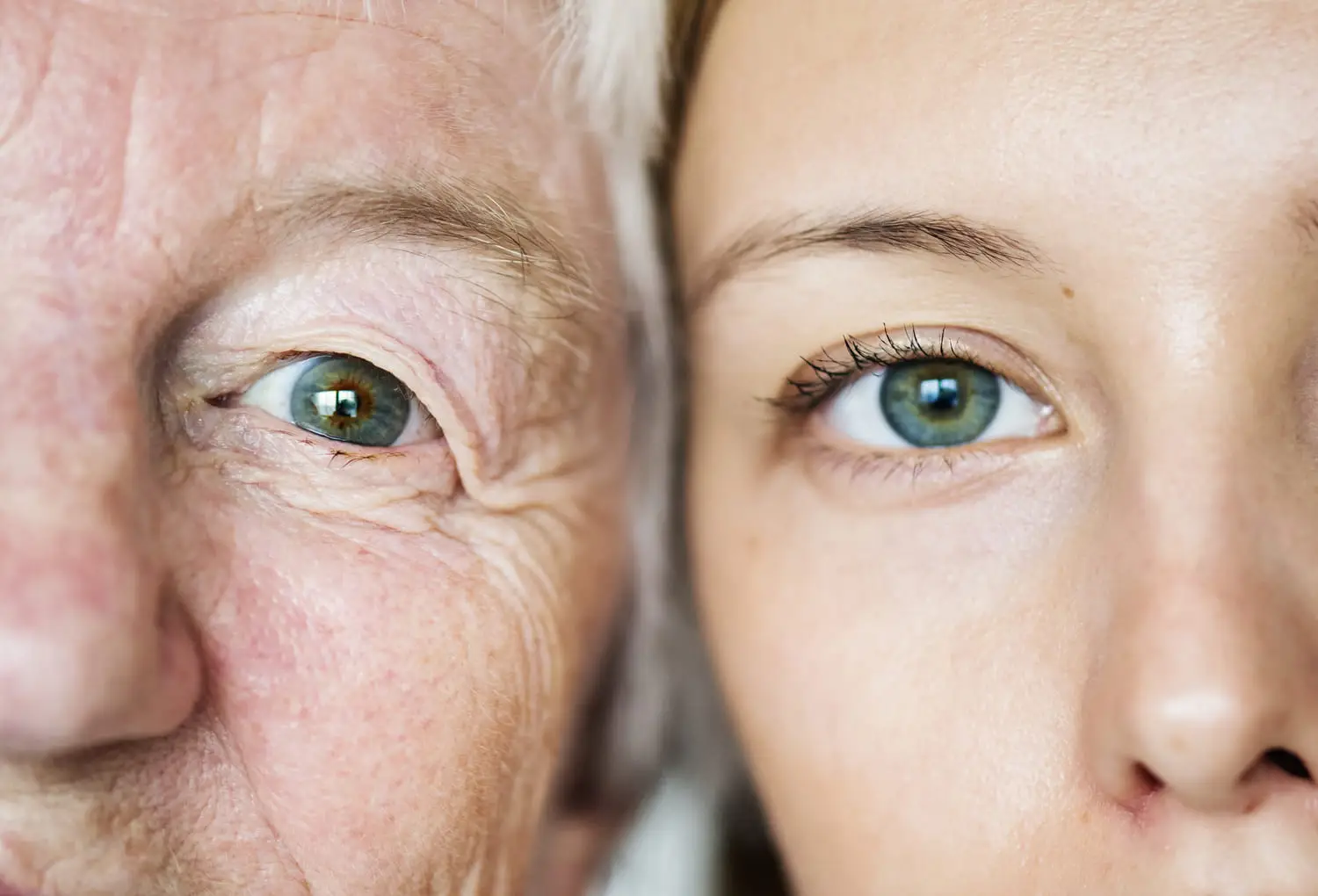
Premature aging is a condition in which the skin shows signs of age earlier than expected. In general, the human body begins to lose collagen and skin elasticity around the age of 25. However, in people with premature aging, these signs appear sooner and are more severe than normal, making the skin look years older than its actual age. It is a skin concern that many people experience from a young age — whether it's wrinkles, sagging skin, or age spots that seem out of place. In this article, Top Med World will walk you through the causes, how to identify the symptoms, and effective solutions for premature aging.
Causes and Behaviors That Lead to Premature Skin Aging
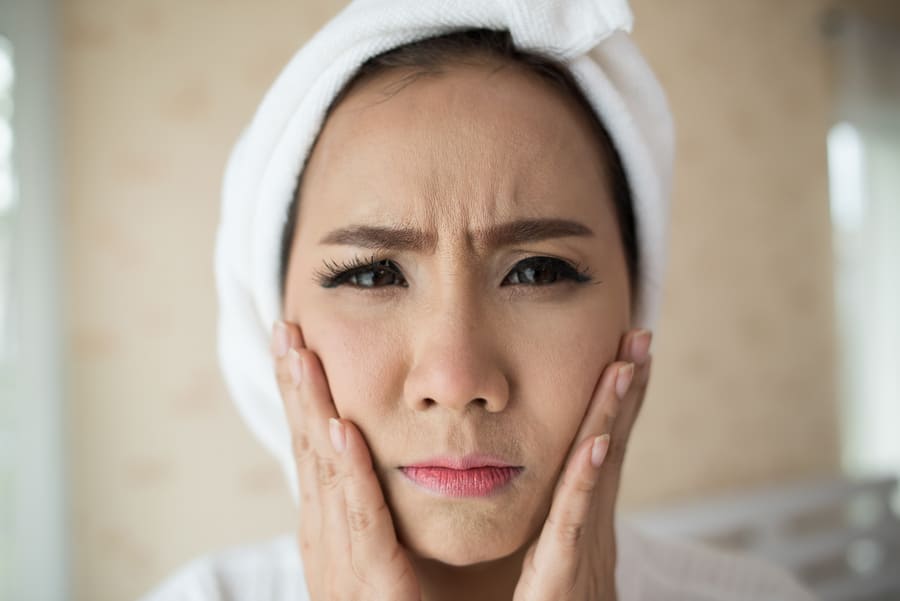
Understanding the causes of premature aging is key, as each factor requires a different prevention strategy. The main causes include:
1. Sun Exposure (UV Radiation)
UVA and UVB rays are the number-one cause of premature skin aging, a condition known as photoaging. UV radiation breaks down collagen and elastin in the skin, leading to wrinkles, dark spots, and sagging skin before their time. Summer months are particularly damaging, as sunlight is significantly more intense.
2. Smoking
The toxins in cigarette smoke damage the capillaries that nourish the skin, reduce oxygen delivery, and accelerate collagen breakdown. Researchers have found that smokers are up to 40% more likely to develop premature wrinkles than non-smokers.
3. Chronic Stress
Chronic stress triggers the release of the stress hormone cortisol, which breaks down collagen, causing skin to lose elasticity, look tired, and develop more wrinkles over time.
4. Insufficient Sleep
During sleep, the body undergoes cell repair and skin regeneration. Sleeping fewer than 7 hours a night disrupts this process, causing skin to recover more slowly and accumulate damage at a faster rate.
5. Poor Diet
Foods high in sugar and refined carbohydrates trigger a process called glycation, in which sugar molecules bind to collagen and cause the skin to become stiff and lose elasticity. Insufficient water intake and nutritional deficiencies are also contributing factors to premature aging.
6. Air Pollution
PM2.5 particles and airborne toxins can penetrate the outer layers of the skin, generating oxidative stress that damages skin cells, accelerates the formation of dark spots and wrinkles — particularly in people living in urban areas.
7. Genetics
While genetics is the factor least within our control, it plays a significant role in determining the speed of the aging process. If family members have experienced premature aging, there is a higher likelihood you will face the same issue.
Symptoms of Premature Aging: What to Look For
Premature aging presents itself in several commonly observed ways, including:
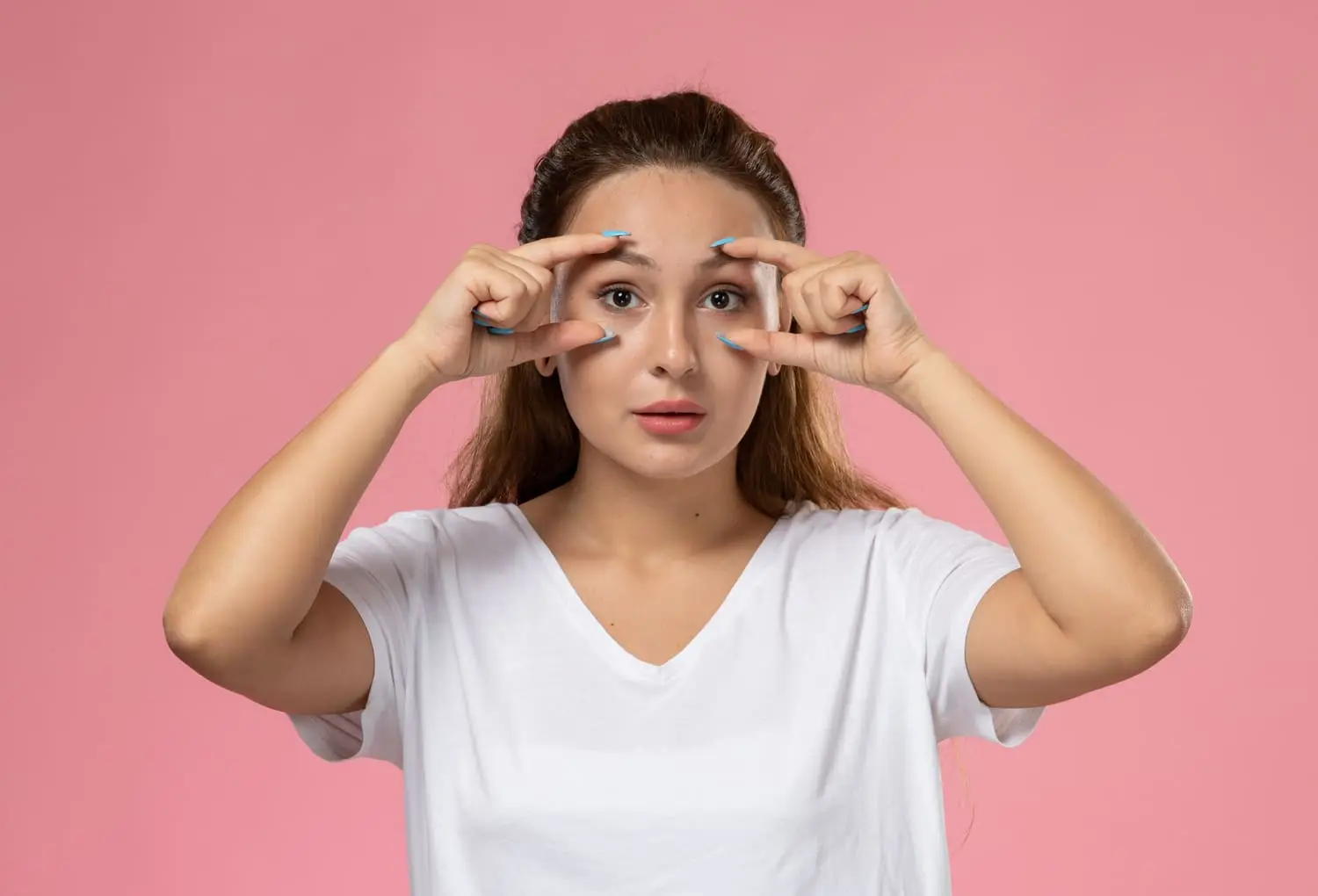
- Fine and deep wrinkles, particularly around the eyes (crow's feet), forehead, and mouth
- Sagging skin around the cheeks, double chin, and neck
- Dark spots and hyperpigmentation appearing faster than normal
- Dull skin lacking radiance and luminosity
- Enlarged pores that are clearly visible
- Dry, dehydrated skin even when drinking adequate water
Effective Solutions for Premature Aging
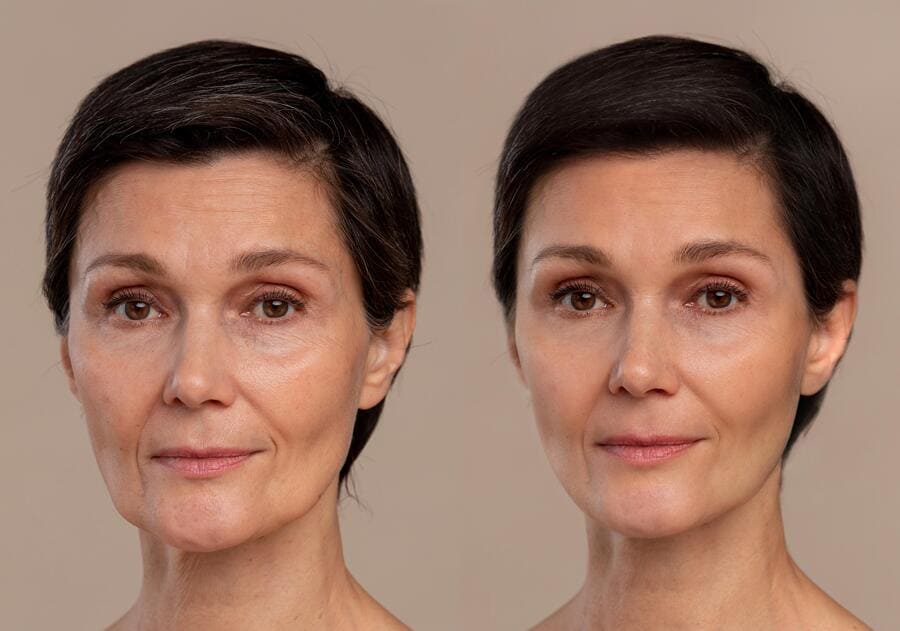
There are many ways to address premature aging — ranging from lifestyle changes you can make on your own, to advanced aesthetic medicine and surgical facial rejuvenation procedures.
Lifestyle Changes You Can Make Yourself
- Protect your skin from the sun: Apply sunscreen with SPF 30 PA+++ or higher every day, even on cloudy days. Avoid direct sun exposure between 10:00 AM and 4:00 PM.
- Eat a nutritious diet: Focus on fruits and vegetables rich in antioxidants, and reduce your intake of sugary and processed foods.
- Stay adequately hydrated: Drinking enough water helps keep skin moisturized and healthy.
- Get enough sleep: Aim for 7–8 hours of sleep per night to allow your body to repair skin cells.
- Manage stress: Set aside time for relaxing activities such as yoga, meditation, or listening to music.
- Quit smoking and reduce alcohol consumption: For better long-term skin health.
- Choose the right skincare products: Look for ingredients that target wrinkles and firmness, such as retinol, vitamin C, peptides, and hyaluronic acid.
Medical Aesthetic Innovations
For those seeking more noticeable and faster results, medical aesthetic innovations can effectively address premature aging:
- Dermal Fillers: Restore volume to deep wrinkles and hollows, such as nasolabial folds and under-eye areas, while also reshaping the face for a more youthful appearance.
- Botox Injections: Reduce the appearance of expression lines, including forehead lines, frown lines, and crow's feet.
- Laser and Skin-Tightening Treatments: Technologies such as HIFU, Ulthera, and Thermage stimulate collagen production and lift sagging skin.
- Thread Lifting: Lifts sagging skin and promotes collagen synthesis for a more defined facial contour.
Surgical Facial Rejuvenation: Face Lift and Mini Face Lift
Face Lift
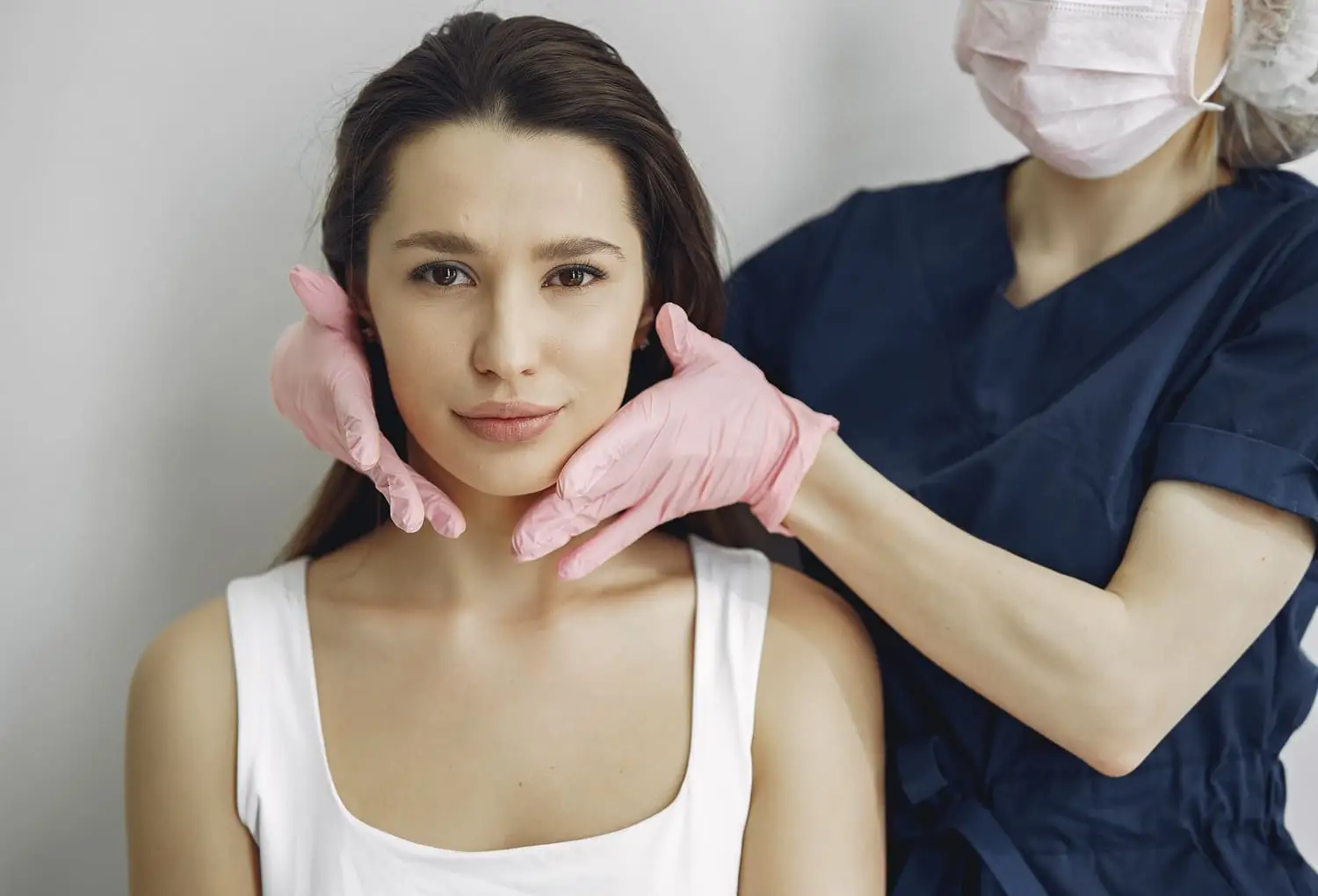
A Face Lift (Rhytidectomy) is a surgical procedure designed to correct sagging skin and muscle tissue in the face and neck, deep wrinkles, and volume loss. The technique involves lifting the underlying facial structures (such as the SMAS layer) and removing excess skin, resulting in a more youthful appearance with a sharper facial contour. Results look natural and can last 7–10 years.
Best suited for: Individuals with significant skin laxity, deep wrinkles, and those seeking dramatic, long-lasting results.
Mini Face Lift
A Mini Face Lift is a less invasive facelift procedure that targets the lower cheeks and jawline. It involves smaller incisions and a shorter recovery time compared to a full facelift. This technique is ideal for those beginning to show mild to moderate signs of sagging and who want natural-looking results without a lengthy downtime.
Best suited for: Individuals aged 40 and above with mild to moderate sagging around the cheeks and jawline, who desire a naturally rejuvenated appearance with a faster recovery.
Why Choose Top Med World for Premature Aging Treatment?
Top Med World specializes in connecting patients with leading, JCI-accredited hospitals and clinics worldwide, particularly in Thailand — with expertise in premature aging treatment and a broad range of aesthetic procedures. Our network includes renowned plastic surgery hospitals and clinics such as ID Clinic, Wansiri Hospital, Masterpiece Hospital, Kamol Cosmetic Hospital, and Bangkok Hospital.
Our Exclusive Services Include:
- Personalized Consultation: We assess your needs and goals to recommend the most suitable clinic and surgeon for you.
- Seamless Coordination: We handle travel arrangements, accommodation, local transportation, and visa assistance for a stress-free experience.
- Hospital Liaison: We manage all communications and logistics with your chosen clinic, ensuring a smooth and efficient process.
- Post-Operative Support: We provide guidance and assistance throughout your recovery period for the best possible outcome.
Frequently Asked Questions (FAQ)
1. At what age can premature aging start to appear? Signs of premature aging can begin to show as early as the late 20s to early 30s, depending on genetic factors and lifestyle habits — particularly sun exposure and pollution.
2. Does sunscreen really help prevent premature aging? Absolutely. Sunscreen is the single most important tool for preventing premature aging, as it protects the skin from UV rays — the primary cause of collagen and elastin breakdown. Apply sunscreen with at least SPF 30 PA+++ every day.
3. What is the difference between a Face Lift and a Mini Face Lift? A Face Lift is a full surgical procedure that addresses sagging across the entire face and neck, offering more dramatic and long-lasting results. A Mini Face Lift is a less invasive procedure focusing on the lower cheeks and jawline, suited for patients with mild sagging and a preference for shorter recovery times.
4. How long is the recovery period after a facelift? A full Face Lift typically requires 2–4 weeks of recovery, while a Mini Face Lift generally takes 1–2 weeks, depending on individual health and post-operative care.
5. How long do facelift results last? The results of both Face Lift and Mini Face Lift procedures generally last approximately 7–10 years. However, longevity depends on post-operative care, sun protection, and overall lifestyle habits.