
What is Big Eyes Surgery?
日期 23/04/2026
Eyes are often considered the most captivating feature on a face. Having large, bright eyes can significantly boost self-confidence and contribute to a more youthful and charming appearance. However, many individuals face concerns regarding their eye shape, such as small eyes, sleepy eyes, or eyes that constantly look tired. For those seeking to enhance their confidence, what are the most effective solutions? Big eyes surgery, or oculoplastic surgery to achieve larger eyes, is a popular medical solution gaining traction today.
Top Med World will guide you through understanding what big eyes surgery entails, its procedural steps, who is an ideal candidate, potential side effects or risks to be aware of, post-operative care instructions, and the duration of the recovery period.
What is Big Eyes Surgery?
Big eyes surgery is a surgical procedure designed to reshape the eyes, making them appear larger, rounder, brighter, more dimensional, and proportionally balanced with the face. This procedure goes beyond typical double eyelid surgery by integrating multiple techniques to expand the eye area in various directions. The goal is to naturally transform small, narrow, or sleepy eyes into a more vibrant and alert appearance. Typically, four main techniques are employed:
How is Big Eyes Surgery Performed?
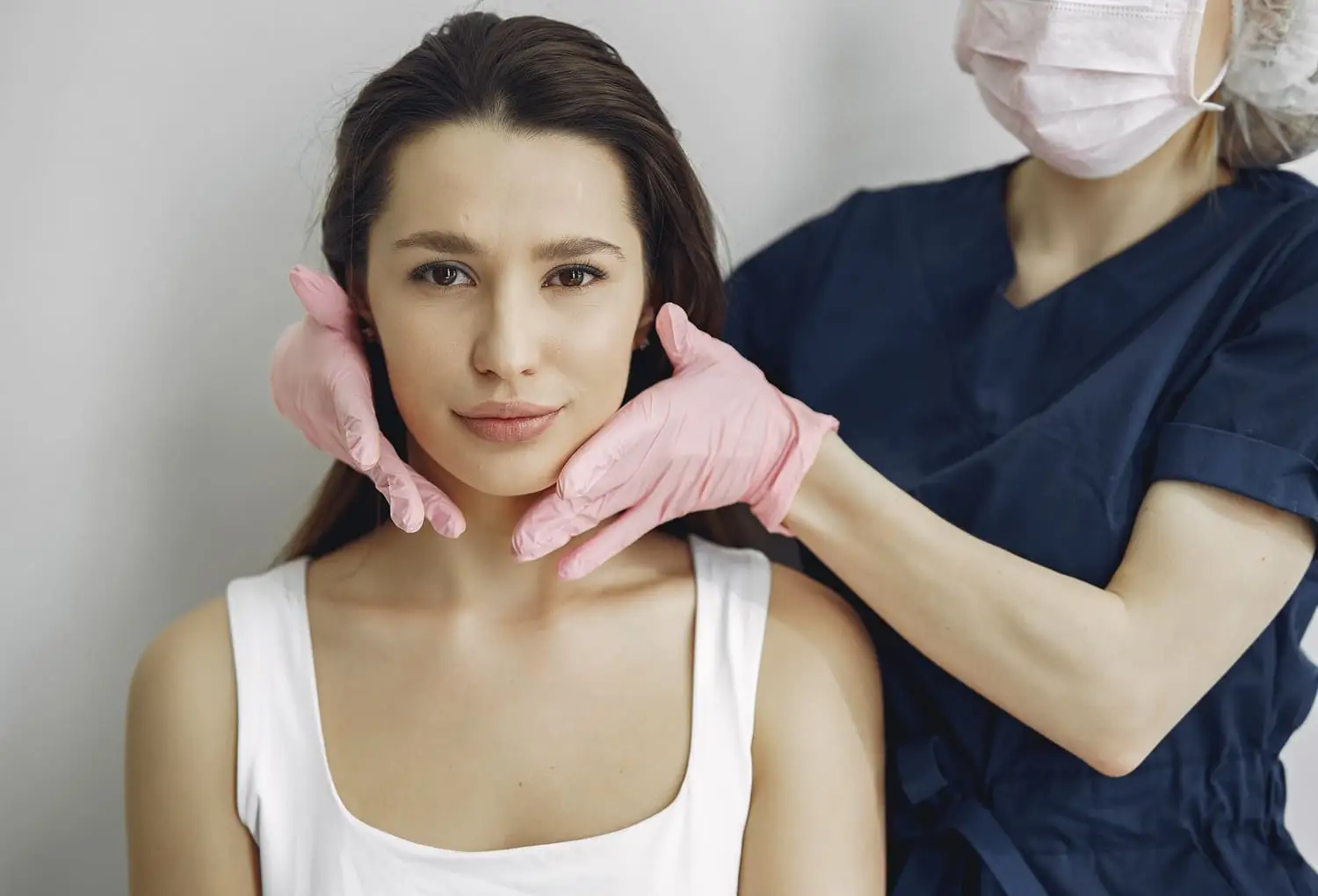
Big eyes surgery requires an initial assessment to identify specific eye concerns and demands the expertise and precision of a skilled surgeon. Generally, the procedure involves the following steps:
Consultation and Eye Structure Assessment: The surgeon will evaluate existing eye issues such as fat volume, skin laxity, and the severity of levator muscle weakness to design eyes that complement the patient's facial structure.
Anesthesia Administration: Typically, local anesthesia combined with mild sedation is used to ensure the patient remains relaxed and pain-free during the surgery.
Eyelid Muscle Adjustment Surgery: The surgeon will make an incision (which may be short or long, depending on the assessment) and then tighten the levator muscle to lift the eyelid, making the iris more visible and the eyes appear more open.
Adjunctive Procedures (if necessary): If the patient has epicanthal folds covering the inner corners of the eyes or short outer canthi, the surgeon may perform epicanthoplasty or lateral canthoplasty concurrently.
Wound Closure: The surgeon will create a new eyelid crease and close the incision with fine sutures to minimize scarring.
Who is Big Eyes Surgery Suitable For?
Big eyes surgery is not only for individuals with naturally small eyes but also addresses specific eye concerns, including:
Individuals with monolids or very small eyes: Those who desire more prominent and dimensional eyes.
Individuals with thick epicanthal folds: Which can make the eyes appear shorter and closer together.
Individuals with ptosis (droopy eyelids): Experiencing sleepy-looking eyes, constant tiredness, or inability to fully open their eyes.
Individuals with upward-slanting or overly short outer canthi: Who wish to achieve a softer, more friendly appearance.
Individuals dissatisfied with previous double eyelid surgery: Who want their eyes to appear wider and their irises more visible.

The Difference Between Standard Double Eyelid Surgery and Big Eyes Surgery
It's important to understand the distinctions between standard double eyelid surgery and big eyes surgery:
Are There Side Effects or Risks with Big Eyes Surgery?
As with all surgical procedures, big eyes surgery carries potential risks and side effects that patients should understand before making a decision:
Swelling and Bruising: This is normal after surgery and will gradually subside within 1-2 weeks.
Dry Eyes: Due to the wider eye opening, tears may evaporate more easily in the initial period.
Asymmetry: The two eyes may have slight differences in size or angle while swelling persists.
Scarring: Especially in the inner corner of the eye (epicanthus), where redness or hypertrophic scars are more likely if not properly cared for.
Other Complications: Such as infection or chemosis (swelling of the conjunctiva), which are rare when performed by an experienced surgeon.
Post-Operative Care After Big Eyes Surgery
Strict adherence to post-operative care instructions is crucial for faster healing and optimal results. During the first 3 days, consistent cold compresses should be applied to reduce swelling and bleeding. From day 4 onwards, switch to warm compresses to help dissipate bruising and stimulate blood circulation. Additionally, sleeping with an elevated head for the first 1-2 weeks can help reduce swelling more quickly.
Recovery Time After Big Eyes Surgery
Recovery time after big eyes surgery can vary among individuals, especially in complex cases or those involving multiple techniques. Generally, the recovery period is divided as follows:
1-3 Days: The period with the most significant swelling and bruising. Adequate rest is essential.
7-10 Days: Swelling will noticeably decrease, and sutures are typically removed during this time.
2-4 Weeks: Incisions will be mostly healed, light makeup can be applied, and normal daily activities can be resumed.
3-6 Months: The eyelid creases and eye shape will settle into their final, most natural and beautiful appearance.

Undergoing Big Eyes Surgery with Top Med World in Thailand
Thailand is recognized as a global hub for cosmetic surgery, particularly for eye surgery, offering advanced techniques and highly skilled surgeons. Choosing to undergo big eyes surgery in Thailand provides excellent value in terms of both cost and quality of treatment, adhering to international standards.
At Top Med World, we are committed to selecting only reputable and certified leading clinics and hospitals to ensure your safety and satisfaction with the results. Our partners include top medical facilities such as:
Masterpiece Hospital
Kamol Cosmetic Hospital
Bangkok Hospital
If you are looking to enhance your appearance, please contact Top Med World to inquire about special packages and promotions, receive expert consultation, and conveniently schedule appointments with surgeons.
FAQ: Frequently Asked Questions About Big Eyes Surgery
1.Will Big Eyes Surgery make my eyes look unnatural or fake?
If performed by an experienced surgeon with an appropriate design tailored to your facial structure, the results will appear very natural. Your eyes will look brighter without appearing overly "shellfish eyes" or too stiff.
2.Is Big Eyes Surgery painful?
During the surgery, local anesthesia or sedation will be administered, so patients will not feel pain. However, there might be a sensation of tightness or mild pain after the anesthesia wears off, which can be managed with prescribed pain medication.
3.How long do the results of big eyes surgery last?
Generally, the results of big eyes surgery are permanent. However, the shape of the eyes may change slightly with age and natural skin laxity.
4.How many days after surgery can I wear makeup?
You should refrain from applying makeup around the eyes until the sutures are removed and the wound is completely dry, which typically takes about 10-14 days. This is to prevent infection and irritation to the surgical wound.