
آخر أخبارنا

Premature Aging: Causes and Solutions
Premature aging is a condition in which the skin shows signs of age earlier than expected. In general, the human body begins to lose collagen and skin elasticity around the age of 25. However, in people with premature aging, these signs appear sooner and are more severe than normal, making the skin look years older than its actual age. It is a skin concern that many people experience from a young age — whether it's wrinkles, sagging skin, or age spots that seem out of place. In this article, Top Med World will walk you through the causes, how to identify the symptoms, and effective solutions for premature aging.Causes and Behaviors That Lead to Premature Skin AgingUnderstanding the causes of premature aging is key, as each factor requires a different prevention strategy. The main causes include:1. Sun Exposure (UV Radiation)UVA and UVB rays are the number-one cause of premature skin aging, a condition known as photoaging. UV radiation breaks down collagen and elastin in the skin, leading to wrinkles, dark spots, and sagging skin before their time. Summer months are particularly damaging, as sunlight is significantly more intense.2. SmokingThe toxins in cigarette smoke damage the capillaries that nourish the skin, reduce oxygen delivery, and accelerate collagen breakdown. Researchers have found that smokers are up to 40% more likely to develop premature wrinkles than non-smokers.3. Chronic StressChronic stress triggers the release of the stress hormone cortisol, which breaks down collagen, causing skin to lose elasticity, look tired, and develop more wrinkles over time.4. Insufficient SleepDuring sleep, the body undergoes cell repair and skin regeneration. Sleeping fewer than 7 hours a night disrupts this process, causing skin to recover more slowly and accumulate damage at a faster rate.5. Poor DietFoods high in sugar and refined carbohydrates trigger a process called glycation, in which sugar molecules bind to collagen and cause the skin to become stiff and lose elasticity. Insufficient water intake and nutritional deficiencies are also contributing factors to premature aging.6. Air PollutionPM2.5 particles and airborne toxins can penetrate the outer layers of the skin, generating oxidative stress that damages skin cells, accelerates the formation of dark spots and wrinkles — particularly in people living in urban areas.7. GeneticsWhile genetics is the factor least within our control, it plays a significant role in determining the speed of the aging process. If family members have experienced premature aging, there is a higher likelihood you will face the same issue.Symptoms of Premature Aging: What to Look ForPremature aging presents itself in several commonly observed ways, including:Fine and deep wrinkles, particularly around the eyes (crow's feet), forehead, and mouthSagging skin around the cheeks, double chin, and neckDark spots and hyperpigmentation appearing faster than normalDull skin lacking radiance and luminosityEnlarged pores that are clearly visibleDry, dehydrated skin even when drinking adequate waterEffective Solutions for Premature AgingThere are many ways to address premature aging — ranging from lifestyle changes you can make on your own, to advanced aesthetic medicine and surgical facial rejuvenation procedures.Lifestyle Changes You Can Make YourselfProtect your skin from the sun: Apply sunscreen with SPF 30 PA+++ or higher every day, even on cloudy days. Avoid direct sun exposure between 10:00 AM and 4:00 PM.Eat a nutritious diet: Focus on fruits and vegetables rich in antioxidants, and reduce your intake of sugary and processed foods.Stay adequately hydrated: Drinking enough water helps keep skin moisturized and healthy.Get enough sleep: Aim for 7–8 hours of sleep per night to allow your body to repair skin cells.Manage stress: Set aside time for relaxing activities such as yoga, meditation, or listening to music.Quit smoking and reduce alcohol consumption: For better long-term skin health.Choose the right skincare products: Look for ingredients that target wrinkles and firmness, such as retinol, vitamin C, peptides, and hyaluronic acid.Medical Aesthetic InnovationsFor those seeking more noticeable and faster results, medical aesthetic innovations can effectively address premature aging:Dermal Fillers: Restore volume to deep wrinkles and hollows, such as nasolabial folds and under-eye areas, while also reshaping the face for a more youthful appearance.Botox Injections: Reduce the appearance of expression lines, including forehead lines, frown lines, and crow's feet.Laser and Skin-Tightening Treatments: Technologies such as HIFU, Ulthera, and Thermage stimulate collagen production and lift sagging skin.Thread Lifting: Lifts sagging skin and promotes collagen synthesis for a more defined facial contour.Surgical Facial Rejuvenation: Face Lift and Mini Face LiftFace LiftA Face Lift (Rhytidectomy) is a surgical procedure designed to correct sagging skin and muscle tissue in the face and neck, deep wrinkles, and volume loss. The technique involves lifting the underlying facial structures (such as the SMAS layer) and removing excess skin, resulting in a more youthful appearance with a sharper facial contour. Results look natural and can last 7–10 years.Best suited for: Individuals with significant skin laxity, deep wrinkles, and those seeking dramatic, long-lasting results.Mini Face LiftA Mini Face Lift is a less invasive facelift procedure that targets the lower cheeks and jawline. It involves smaller incisions and a shorter recovery time compared to a full facelift. This technique is ideal for those beginning to show mild to moderate signs of sagging and who want natural-looking results without a lengthy downtime.Best suited for: Individuals aged 40 and above with mild to moderate sagging around the cheeks and jawline, who desire a naturally rejuvenated appearance with a faster recovery.Why Choose Top Med World for Premature Aging Treatment?Top Med World specializes in connecting patients with leading, JCI-accredited hospitals and clinics worldwide, particularly in Thailand — with expertise in premature aging treatment and a broad range of aesthetic procedures. Our network includes renowned plastic surgery hospitals and clinics such as ID Clinic, Wansiri Hospital, Masterpiece Hospital, Kamol Cosmetic Hospital, and Bangkok Hospital.Our Exclusive Services Include:Personalized Consultation: We assess your needs and goals to recommend the most suitable clinic and surgeon for you.Seamless Coordination: We handle travel arrangements, accommodation, local transportation, and visa assistance for a stress-free experience.Hospital Liaison: We manage all communications and logistics with your chosen clinic, ensuring a smooth and efficient process.Post-Operative Support: We provide guidance and assistance throughout your recovery period for the best possible outcome. Frequently Asked Questions (FAQ)1. At what age can premature aging start to appear? Signs of premature aging can begin to show as early as the late 20s to early 30s, depending on genetic factors and lifestyle habits — particularly sun exposure and pollution.2. Does sunscreen really help prevent premature aging? Absolutely. Sunscreen is the single most important tool for preventing premature aging, as it protects the skin from UV rays — the primary cause of collagen and elastin breakdown. Apply sunscreen with at least SPF 30 PA+++ every day.3. What is the difference between a Face Lift and a Mini Face Lift? A Face Lift is a full surgical procedure that addresses sagging across the entire face and neck, offering more dramatic and long-lasting results. A Mini Face Lift is a less invasive procedure focusing on the lower cheeks and jawline, suited for patients with mild sagging and a preference for shorter recovery times.4. How long is the recovery period after a facelift? A full Face Lift typically requires 2–4 weeks of recovery, while a Mini Face Lift generally takes 1–2 weeks, depending on individual health and post-operative care.5. How long do facelift results last? The results of both Face Lift and Mini Face Lift procedures generally last approximately 7–10 years. However, longevity depends on post-operative care, sun protection, and overall lifestyle habits.
 تاريخ 24/03/2026
What is Labiaplasty?
Labiaplasty is a surgical procedure to adjust the shape or size of the female genital labia (Labia Minora or Labia Majora), reshaping them to achieve better proportion, balance, and aesthetic appearance according to each individual's needs.For women who wish to address both aesthetic and functional concerns — such as abnormally enlarged labia, frequent irritation, or lack of confidence — Labiaplasty surgery may be a good option. Top Med World explains what it is, who it's suitable for, its benefits, the procedure steps, how to prepare, and what Labiaplasty Repair means.What is Labiaplasty?Labiaplasty is a surgical procedure designed to alter the size, shape, or symmetry of the Labia Minora — the folds of tissue surrounding the vaginal opening. It most commonly involves reducing protruding or oversized labia minora to create a more compact and balanced appearance. Beyond cosmetic purposes, it also addresses physical issues that affect women's daily lives.Who is Suitable for Labiaplasty?This surgery is suitable for women with concerns related to both physiology and self-confidence, including:Physical / Physiological ConcernsLabia (inner or outer) that are disproportionately large or excessively protrudingPain, irritation, or discomfort during exercise, cycling, running, or sexual intercourseHygiene issues due to elongated or sagging labiaChanges in genital shape following childbirth Psychological / Confidence ConcernsFeeling self-conscious about appearance and wishing to improve quality of lifeHaving realistic expectations and understanding the scope of achievable resultsBenefits of LabiaplastyLabiaplasty offers several advantages for women in terms of body confidence, daily quality of life, and physical health:Reduced pain and irritation — Women with enlarged labia often experience friction and discomfort during movement. After surgery, these issues are resolved, allowing for a more comfortable daily life.Improved confidence and self-image — When the appearance meets the desired proportions, self-confidence increases, positively impacting overall mental well-being.Enhanced sexual experience — Reducing labia that interfere with sensation can significantly improve satisfaction during intercourse.Easier hygiene maintenance — Properly sized labia make cleaning easier and reduce the risk of bacterial buildup and moisture retention.Permanent and natural-looking results — When performed by a skilled surgeon, results appear natural and last a lifetime.Labiaplasty Procedure StepsConsultation and treatment planning — The doctor evaluates the patient's condition, listens to their goals, explains appropriate techniques, and outlines a surgical plan aligned with the patient's objectives.Pre-operative preparation — The patient undergoes a health check-up and blood tests, and receives guidance on preparation such as fasting, avoiding certain medications, and pre-operative care of the area.Surgery — The doctor administers local anesthesia or general sedation, then trims, reshapes, or reduces the labia according to the plan, using techniques that minimize scarring. The procedure typically takes approximately 1–2 hours.Recovery and follow-up — After surgery, the doctor schedules follow-up appointments to monitor wound healing and provide recovery advice. Most patients can resume daily activities within 1–2 weeks.Preparing for Labiaplasty SurgeryIn addition to discussing expected outcomes and addressing all questions with the specialist, preparation begins approximately a month before surgery to ensure a smooth procedure.2–4 Weeks Before SurgeryStop smoking and drinking alcohol, as they affect blood circulation and wound healingInform the doctor of all medications and supplements currently being takenAvoid blood-thinning medications such as aspirin and ibuprofen24 Hours Before SurgeryFast from all food and beverages as advised by the doctorThoroughly clean the body and the surgical areaPrepare comfortable clothing for surgery day and arrange for someone to drive you homePossible Side Effects After LabiaplastyAs with any surgical procedure, side effects may occur, though they are mostly temporary and resolve on their own within a short time.Common Side EffectsSwelling, redness, and bruising around the wound, gradually improving within 1–2 weeksPain or discomfort at the wound site, manageable with prescribed pain medicationItching around the wound during the healing process Less Common Side EffectsInfection at the wound site if proper hygiene is not maintainedAbnormal scarring in individuals with a genetic predispositionTemporary changes in sensation around the wound areaPatients must strictly follow the specialist's instructions to minimize the risk of complications.What is Labiaplasty Repair?Labiaplasty Repair is a corrective surgical procedure for women who have previously undergone labiaplasty but are unsatisfied with the results — whether due to asymmetry or persistent concerns. Because the surgeon is working on tissue that has already been operated on, the repair is more complex than the original procedure. The goal is to restore balanced shape, reduce scarring, and achieve a more aesthetically pleasing result than before.How Does Labiaplasty Differ from Female Genital Enlargement?Although both Labiaplasty and Female Genital Enlargement are genital surgeries, they have entirely different objectives and methods:ComparisonLabiaplastyFemale Genital EnlargementMain GoalReduce, remove excess tissue, or reshape the labia minora for symmetryAdd fullness, increase volume in the labia majora, or the clitoral hoodMethodSurgery: excise excess tissue and re-sutureInjection: autologous fat (Fat Graft) or fillerTarget GroupWomen with elongated, irritating labia or appearance concernsWomen with age-related labial atrophy or those seeking added confidenceRecovery TimeApprox. 1–4 weeks (longer sexual activity restriction)Shorter (a few days to 1 week, depending on technique)PermanencePermanent: removed tissue does not grow backNot permanent: fat or filler may dissolve over time and require top-upsResultsTighter, smaller, and smootherFuller, firmer, and more youthful-lookingLabiaplasty with Top Med WorldTop Med World is a surgical center specializing in labiaplasty and female surgery, distinguished by:Specialist medical team — Doctors trained and experienced specifically in female genital surgery, with a verifiable track record and detailed, private consultationsModern techniques, natural results — Internationally recognized techniques focused on minimal scarring and the most natural-looking outcomesSafe and confidential environment — Every step is conducted with the utmost privacy, in a certified medical facilityComprehensive end-to-end care — From the first consultation through post-operative follow-up, the team is ready to support and answer every question throughout the processTransparent pricing, no hidden costs — Clear pricing information is provided before any decision is madeOur network includes leading clinics and hospitals in Thailand, such as:ID ClinicWansiri HospitalMasterpiece HospitalKamol Cosmetic HospitalBangkok HospitalFor information on packages, special promotions, and surgical procedures offered by Top Med World at leading hospitals and clinics in Thailand and worldwide, please contact us to schedule an appointment, meet with a doctor, or consult online.
 تاريخ 11/02/2026
6 Proven Ways to Get Six-Pack Abs That Actually Work
Achieving visible six-pack abs requires more than just ab exercises. To see real, long-lasting results, you must combine three essential factors:Lowering body fat percentage to a level where abdominal muscles are visibleConsistent resistance-based core trainingProper nutrition and lifestyle management tailored to individual body structure and genderWhether you are male, female, or LGBTQ+, visible abs are achievable when body fat levels are optimized—approximately 10–12% for men and 15–17% for women.For individuals who already have abdominal muscles but still struggle with stubborn fat, Vaser Hi-Def six-pack liposuction is an advanced medical option that enhances muscle definition.In this guide, Top Med World, a trusted Medical Tourism provider in Thailand and South Korea, explains how to build six-pack abs effectively and safely—both naturally and medically.Ideal Body Fat Percentage for Visible Six-Pack AbsSix-pack abs become visible primarily based on subcutaneous fat thickness, not just muscle strength.Because fat distribution differs by sex, the body fat percentage required to reveal abs also varies.Estimated Body Fat Percentage for Visible AbsGenderToned AppearanceClearly Defined AbsMen12–15%Below 10–12%Women18–20%15–17%Medical Advisory:Women should avoid maintaining body fat levels below 13–15% long term, as it may affect hormonal balance and menstrual health.Differences in Six-Pack Development: Men vs. WomenUnderstanding physiological differences is critical for effective and sustainable results.1. Fat Storage PatternsMen: Store fat primarily in the abdominal area (Android fat pattern)Women: Store fat more in hips and thighs (Gynoid fat pattern)Women often see upper abs sooner, while lower abdominal fat is more resistant.2. Muscle Growth PotentialHigher testosterone levels in men allow faster and thicker abdominal muscle development.3. Genetics and Ab StructureThe number of visible abs (4-pack, 6-pack, or 8-pack) is genetically determined and cannot be changed through exercise.6 Proven Ways to Build Six-Pack Abs (All Genders, All Ages)A sustainable six-pack requires a structured routine, not shortcuts.1. Strategic Calorie ControlEven intense workouts will not reveal abs if caloric intake exceeds expenditure.Best practices:Calculate your TDEE (Total Daily Energy Expenditure)Maintain a 300–500 kcal daily calorie deficitUse tracking apps for accuracy2. Optimize Protein & Macronutrient IntakeProtein preserves lean muscle during fat loss.Recommended intake:Protein: 1.6–2.2 g per kg of body weightEmphasize complex carbohydrates (brown rice, sweet potatoes)Reduce sugar, trans fats, and ultra-processed foodsSupports reduction of visceral abdominal fat3. Progressive Overload Ab TrainingAbdominal muscles require resistance to grow and become defined.Effective exercises:Cable rope crunchWeighted Russian twistSit-ups combined with weighted planks4. HIIT for Abdominal Fat LossHigh-Intensity Interval Training (HIIT) accelerates fat burning.Sample protocol:Sprint: 30 secondsWalk: 30 secondsDuration: 15–20 minutesTriggers EPOC (Excess Post-Exercise Oxygen Consumption), increasing calorie burn after workouts.5. Sleep Optimization & Stress ReductionSleep deprivation and chronic stress elevate cortisol, a hormone linked to abdominal fat storage.Recommendations:Sleep 7–9 hours per nightPractice stress management (meditation, breathwork)6. Six-Pack Liposuction with Vaser Hi-DefIdeal for individuals who:Have visible abdominal muscle structureStruggle with stubborn fat covering muscle linesVaser Hi-Def Technology:Ultrasound-assisted fat emulsificationTargets superficial fat layersAnatomical muscle sculpting for natural definitionBest candidates:Normal BMI individualsMen: Sharp, athletic 6-pack absWomen: Elegant “11-line abs” (ab crack / sexy line)Vaser Hi-Def Six-Pack Sculpting in Thailand Top Med World is a leading Medical Tourism facilitator, specializing in six-pack liposuction and body contouring with top-tier hospitals and clinics in Thailand, including:ID ClinicWansiri HospitalMasterpiece HospitalKamol Cosmetic HospitalBangkok HospitalWe provide end-to-end care, from medical consultation and personalized treatment planning to post-procedure recovery support.Locations: Thailand & South Korea Contact Top Med World today for:Six-pack liposuction packagesPricing & promotionsDoctor consultations (online & onsite)
 تاريخ 10/02/2026
Genioplasty (Chin Augmentation) in Thailand
Genioplasty, also known as Chin Augmentation Surgery, is a cosmetic surgical procedure designed to reshape and reposition the chin to achieve better facial balance and harmony. It effectively corrects concerns such as a short chin, recessed chin, weak chin profile, or chin asymmetry by moving the chin bone forward or backward, or refining its shape permanently.In Thailand, Genioplasty has become increasingly popular among international patients seeking high-quality cosmetic surgery at affordable prices, performed by experienced surgeons in internationally accredited hospitals.Top Med World, a trusted Medical Tourism provider in Thailand, is here to guide you through every step of your Genioplasty journey.What Is Genioplasty (Chin Augmentation)?Genioplasty is a permanent surgical chin correction that modifies the chin bone structure to enhance facial proportions. Unlike non-surgical fillers, this procedure directly addresses skeletal issues, making it ideal for patients who want long-lasting and natural-looking results.Genioplasty is commonly chosen by individuals with:A short or recessed chinFacial imbalance or weak jawlineAsymmetrical or deviated chinA round or short-looking faceDesire for permanent facial contouringTypes of Genioplasty ProceduresThere are three main types of Genioplasty, depending on the patient’s anatomy and aesthetic goals.1. Sliding GenioplastySliding Genioplasty involves cutting and repositioning the chin bone to a new position (forward, backward, upward, or downward). The bone is then secured using titanium plates or screws.AdvantagesPermanent and highly natural resultsPrecise control over chin shape and projectionIdeal for significant skeletal correctionConsiderationsMore invasive procedureLonger recovery period2. Chin ImplantChin Implant surgery places a silicone implant over the existing chin bone to increase projection or length without cutting the bone.AdvantagesLess invasive than bone surgeryShorter procedure timeFaster recoveryConsiderationsResults may be less natural than Sliding GenioplastyImplant-related risks such as movement or infection3. Chin LiposuctionChin liposuction removes excess fat from the chin and neck area to refine facial contours. This procedure is often combined with Sliding Genioplasty or Chin Implant for optimal definition.Genioplasty Surgery Procedure StepsSliding Genioplasty is performed under general anesthesia and typically includes the following steps:Preoperative PlanningX-rays or CT scans are used to assess bone structure and nerve positioning.IncisionThe incision is usually made inside the mouth (lower gum area), leaving no visible external scars.Chin ReshapingThe surgeon repositions the chin bone or places a silicone implant, depending on the technique used.FixationTitanium plates or screws secure the bone in its new position.ClosureDissolvable sutures are used to close the incision.Recovery Time and Risks of GenioplastyRecovery TimelineFirst 7 days: Swelling and bruising are most noticeable10–14 days: Tightness may remain, but most patients can resume daily activities1–3 months: Final chin shape becomes more defined as swelling subsidesPossible RisksTemporary or prolonged numbnessInfectionBone or implant displacement from strong impactUnsatisfactory aesthetic outcomeChoosing an experienced surgeon significantly reduces these risks.Genioplasty vs. Chin Filler: Key DifferencesGenioplastyChin FillerPermanent resultsTemporary (6–18 months)Corrects bone structureAdds volume onlySurgical procedureNon-surgicalLonger recoveryMinimal downtimeHigher upfront costLower initial costWhy Choose Thailand for Genioplasty?Thailand is recognized as a global destination for cosmetic and reconstructive surgery, offering:Highly experienced plastic surgeonsInternationally accredited hospitalsAdvanced medical technologyLower costs compared to Western countriesComprehensive Medical Tourism services Genioplasty Clinics in Thailand with Top Med WorldTop Med World is your trusted Medical Tourism consultant for Genioplasty and Chin Augmentation in Thailand. We collaborate with leading hospitals and clinics, including:ID ClinicWansiri HospitalMasterpiece HospitalKamol Cosmetic HospitalBangkok HospitalWe provide full support, including:Surgeon and hospital selectionTreatment planningPrice packages and promotionsOnline doctor consultationsTravel and accommodation assistanceContact Top Med WorldIf you are considering Genioplasty in Thailand and would like to receive customized treatment plans, exclusive packages, or a free consultation, contact Top Med World today to begin your safe and confident cosmetic surgery journey.
 تاريخ 27/01/2026
What is Fat Grafting or Fat Transfer Face?
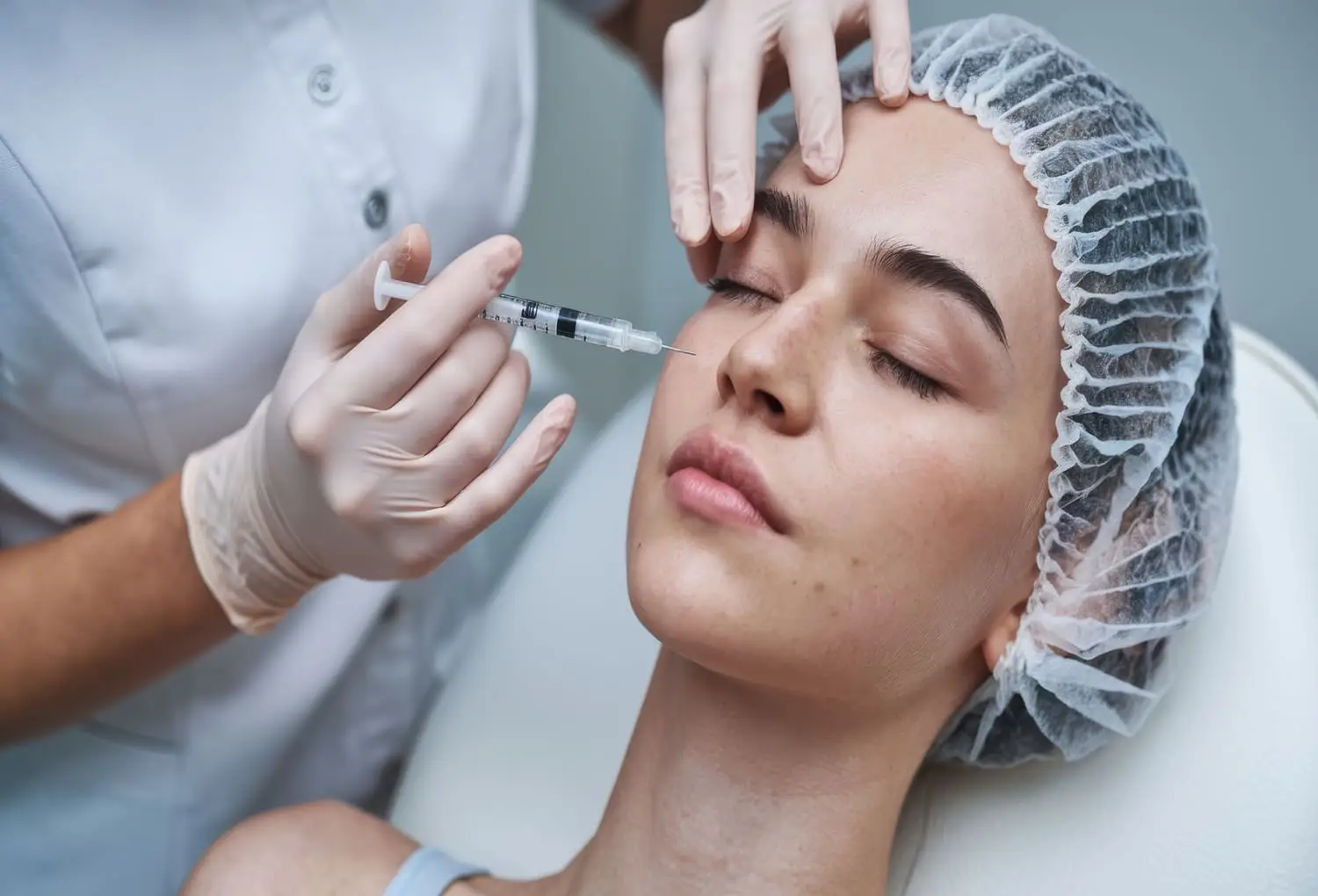
Fat Grafting or Fat Transfer Face is a procedure that involves harvesting fat cells from areas of the body with excess fat—such as the thighs, hips, or abdomen—and putting them through a purification process. Only the healthiest fat cells are selected and then injected into the face to add dimension, firm the skin, and create a youthful appearance. Often referred to as "Baby Face Fat Injection," this popular procedure helps rejuvenate the facial structure for a naturally younger look.As Top Med World, a leading Medical Tourism service provider, we are here to explain the pros and cons, the procedure steps, longevity, how it differs from fillers, and post-operative care.Pros and Cons of Facial Fat GraftingWhile the advantages of Fat Grafting usually outweigh the disadvantages, it is important to understand both:ProsHigh Safety: Since it uses your own body fat, there is no risk of allergic reactions.Long-term Value: It provides a more lasting result compared to other methods when treating the entire face.Natural Results: It offers a soft, natural feel and appearance.Improved Skin Quality: Fat contains stem cells that help rejuvenate skin texture and increase firmness.ConsSwelling/Bruising: May cause more swelling and bruising than fillers.Survival Rate: Not 100% of the injected fat will "take"; success depends on the surgeon's skill and post-operative care.Discomfort: Can be more painful as it involves two sites: the harvesting (liposuction) site and the injection site.The Procedure StepsThe process of Fat Grafting can be summarized into three simple steps:Liposuction: The surgeon applies local anesthesia and gently harvests fat from the best quality source (identified during analysis) to ensure the fat cells remain viable.Purification: The harvested fat is placed in a centrifuge to separate blood, oil, and anesthesia, leaving only pure, concentrated fat cells.Injection: The surgeon carefully injects the high-quality fat into the facial layers, sculpting the face according to the pre-designed plan. How Long Does It Last?The longevity of a "Baby Face" fat injection depends on several factors. During the first 3 months, some fat will naturally be reabsorbed. However, the fat cells that survive and establish a blood supply can last for many years or even permanently. Over time, these cells will age naturally, and their volume may fluctuate based on your body weight.Is a Touch-up Necessary?It depends on the individual. Some may require 1–2 follow-up sessions (usually 3–6 months after the first) to achieve the desired volume, as 30%–50% of the fat may dissipate after the initial injection. For others, a single session is sufficient.Fat Grafting vs. Filler: What’s the Difference?FeatureFat Grafting (Baby Face)Filler (Hyaluronic Acid)MaterialYour own fat (100% natural)Hyaluronic Acid (Synthetic)Pain LevelTwo areas (Harvest + Injection)One area (Injection only)RecoverySwelling for 7–14 daysMinimal swelling / Instant resultsLongevityPermanent (for surviving cells)Temporary (6–18 months)PrecisionHarder to shape fine detailsHighly precise (e.g., lips, chin)Ideal ForFull-face rejuvenation/Large volumeSpecific spots/Sharp contouringPost-Operative CareTo ensure high fat survival rates and a quick recovery, follow these guidelines:Avoid Compresses: During the first 3–5 days, do not use hot or very cold compresses, as extreme temperatures can kill the fat cells. Consult your doctor before applying any cold packs for swelling.Sleeping Position: Sleep on your back with your head elevated for at least 2 weeks. Avoid sleeping on your side or stomach to prevent facial asymmetry.Nutrition: Eat a healthy, balanced diet of the 5 main food groups.No Smoking/Alcohol: Strictly avoid smoking and alcohol for at least 1 month, as they damage capillaries and significantly reduce fat survival.Fat Grafting in Thailand with Top Med WorldThailand is a world-renowned hub for aesthetic surgery, especially for Fat Grafting. Surgeons here possess high expertise, utilize advanced technologies, and offer competitive pricing.Top Med World serves as your premier consultant for medical tourism in Thailand. We partner with the country's leading clinics and hospitals, including:ID ClinicWansiri HospitalMasterpiece HospitalKamol Cosmetic HospitalBangkok HospitalIf you would like to know more, Top Med World offers price packages, special promotions, and surgical details from leading hospitals in Thailand and globally.Contact us for appointments, consultations, or online doctor consultations today.